Cremation Ink Faqs
Honest answers on the look, feel, storage and handling of cremation ashes, from people who’ve worked with thousands of them.
What Ashes Look Like, How To Store Them And How To Handle Them With Care
This page answers the questions most people have about cremation ashes themselves, what they look like, how they’re packaged, how to store, divide, plant, scatter, and care for them. If you’d rather read about posting ashes, ownership, plane travel or DNA, head over to our main Question And Answers page. For even more, the Even More FAQs page is worth a look too.
Help And Advice On Cremation Ashes
If you’ve recently lost someone and the urn has come home, you might be feeling unsure what to do next. That’s understandable. Most of us aren’t really taught anything about cremation ashes, what they’re like, what we can or can’t do with them, or what feels right. Below are the most common questions we get asked, with honest, practical answers from twenty plus years of working with cremation ashes day in and day out at Cremation Ink ®.
What Do Cremation Ashes Come In?
Cremation ashes are usually supplied in an urn chosen through the funeral director from their range. With the rise of online shopping, urns are now available to everyone at a more reasonable cost via sites like Amazon, so you’re not limited to whatever the funeral director offers. A common arrangement when the ashes are first released from the crematorium is a plastic sealed bag inside a simple cardboard urn or box, which the funeral director then transfers into the urn of your choosing. For pets, a small trinket urn or basic container with the ashes in a plastic bag inside is usually handed straight to the owner.
What To Put Cremation Ashes In?
Plenty of options here, and it really comes down to choice, budget and what your loved one would have wanted. The most common choices are a traditional urn (wood, ceramic, metal, marble, or hand-thrown pottery), keepsake urns for individual family members, jewellery that holds a tiny amount, glassware, or a Bio Urn. The Bio Urn is a beautiful option, a biodegradable urn that you plant in the ground, with a seed at the top. Over time, the urn breaks down and a tree slowly grows, drawing in the ashes as it does, so your loved one becomes part of nature itself. Many of our clients also keep a small portion aside specifically to have infused into tattoo ink with us.
What Looks Like Cremation Ashes?
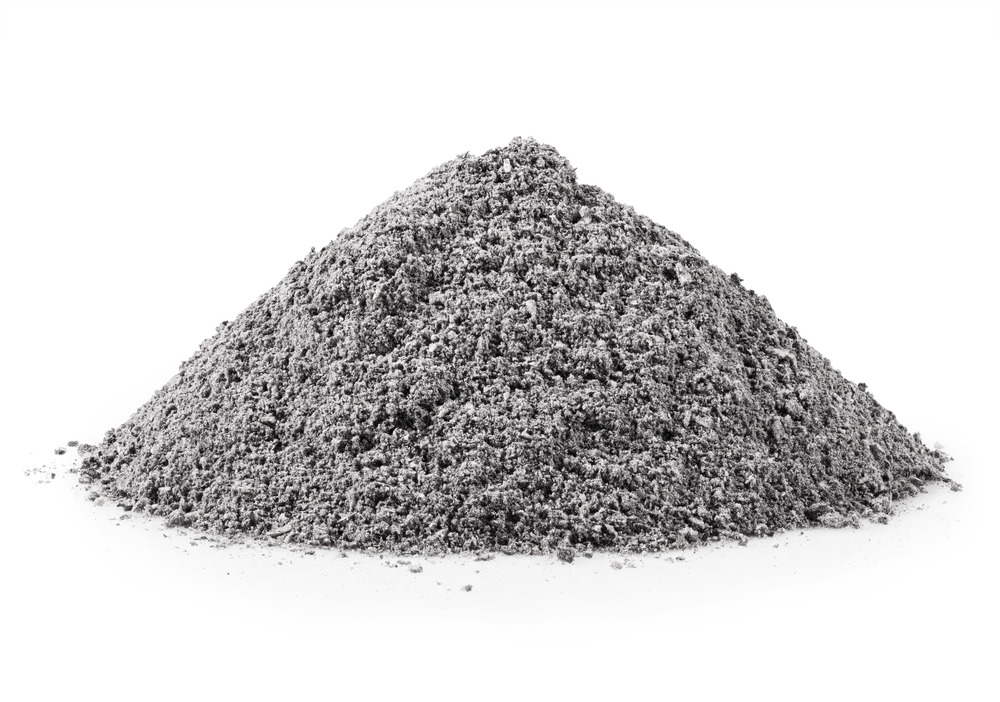
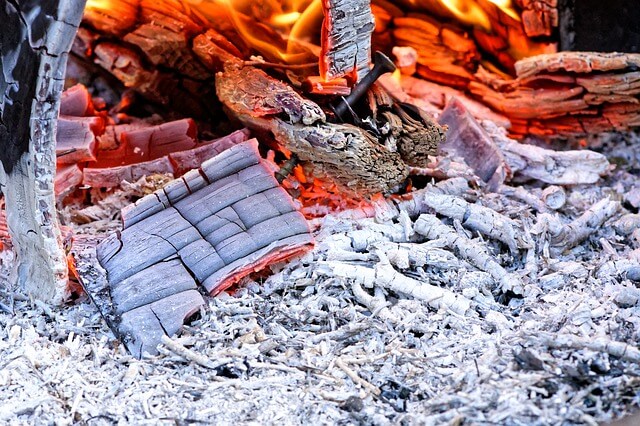
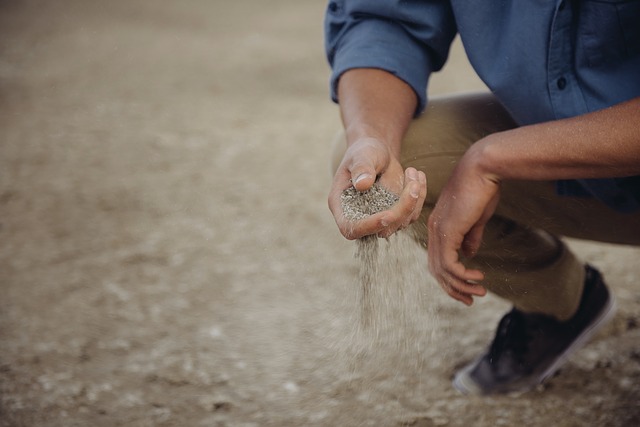
The closest natural visual match is fine sand from a beach dune. Hold a handful and let it fall through your fingers, and you’ll see the larger grains drop and the finer particles drift on the air. Cremation ashes behave very similarly, with a light grey colour close to the cooled embers at the edge of a wood fire. There’s a clear photograph of cremation ashes over on the process page if you’d like a visual reference.
What To Do With Cremation Ashes?
There are far more options today than people realise. If you’ve looked around this site, you’ll know that our specialism is infusing a small amount of ashes into high quality tattoo ink, so clients can have a permanent, personal memorial tattoo. Beyond that, ashes can be turned into a diamond, mixed into oil paint for a portrait or memory painting, set in resin into jewellery, pressed into glass for a paperweight or necklace, scattered, buried, planted in a Bio Urn, pressed into a vinyl record, even sent up in fireworks. None of these is more correct than another. The right choice is the one that honours your loved one and brings you genuine comfort.
What To Do With Cremation Ashes In The UK?
A huge proportion of our clients are in the UK, and the UK has plenty of options for ashes. Most UK families either scatter at a meaningful place, bury in a cemetery or church ground, keep the urn at home, or do something lasting and personal like a memorial tattoo with Cremation Ink ®. The UK has a strong tattoo culture and a very high density of quality tattoo studios, so once your ashes-infused ink arrives from us, finding a brilliant local artist is rarely a problem.
What To Do With Cremation Ashes (Catholic)?
The Vatican issued a decree in 2001 stating that cremation is permitted as “a contemporary phenomenon in virtue of the changed circumstances of life.” The Catholic Church has no theological issue with cremation itself, but the church does have a position on what happens to the ashes afterwards. The teaching is that the ashes should not be divided or scattered. Instead, they should be kept whole in a single vessel and interred in a sacred place, such as a church columbarium or a Catholic cemetery. If you or your loved one were practising Catholic, your local priest can guide you through the right path.
How Do Cremation Ashes Look?
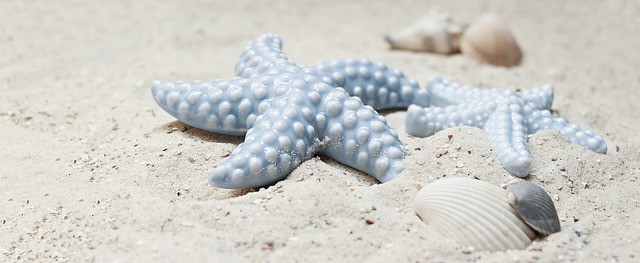
Like a very fine, soft, sand-like powder. Mostly a light grey, with the occasional yellow or beige tinge depending on the cremation and the person’s medical background. There are usually a few darker grey speckles mixed in. There are images of cremation ashes within this site to give you a clearer picture.
How Are Cremation Ashes Packaged?
From the crematorium, ashes are typically supplied in a plastic sealed bag inside a cardboard urn or box. Your funeral director then places them, loose or still bagged, into the urn of your choosing. You’ll usually be offered the option of having the urn sealed, which is a small extra peace-of-mind step we’d recommend. If you’ve chosen not to buy an urn (perhaps because you’re scattering them directly), they’ll be handed over to you in the plastic bag inside a cardboard box. We’ve often seen clients arrive carrying that exact box, and the cardboard one tends to look roughly like a deeper, slightly larger Kleenex tissue box. For pets, ashes are usually returned in either a trinket urn from the pet crematorium or in an urn of your choice.
How Are Cremation Ashes Buried?
If you’re burying ashes in a church or graveyard, most religious grounds will insist on a vessel rather than loose ashes in the soil. A natural urn made of wood is one of the most popular choices, because it’s good for the environment and gently biodegrades over time, returning your loved one to nature. If you’d rather the ashes stay in one place rather than disperse, leave them inside a sealed plastic bag within the wooden urn so that even after the urn breaks down, the ashes stay where you placed them. Cemetery ground staff will usually dig the small hole for you, around a foot to a foot and a half deep.

How To Divide Cremation Ashes?
The cleanest, kindest way is by weight. First, ask the funeral director to make sure the ashes are kept in a sealed plastic bag within the main urn, so they’re easier to handle and disturbed as little as possible. Then weigh each empty receiving urn or container, write the number down, then carefully transfer the full ashes into each container and weigh the whole again. Subtract the empty weight from the full to get the ashes weight, then divide by the number of family members or recipients. Now slowly transfer ashes into each empty container until each one reaches the agreed weight. Do this in a draught-free room with windows closed, animals and children out of the room, and a sheet or cling film laid down underneath to catch any spills. It sounds clinical, but in a sad moment it actually keeps things peaceful and fair, and prevents disagreements later.
How To Plant Cremation Ashes?
Two main approaches, depending on what you want. If you want the ashes to disperse naturally into the ground over time and become part of the soil, use a wooden urn and place the ashes inside loosely. If you want them to stay put in one spot, use a ceramic urn (where allowed by the burial ground) or a wooden urn with the ashes still inside their plastic bag, so even when the urn breaks down the ashes stay together. For burial in a cemetery, the groundsman will typically dig a hole around 18 inches deep. If you’re planting at home or on private land you have permission for, use a quality garden trowel, dig down 18 inches, and pick a spot that isn’t waterlogged or near nettles. You’ll want to visit, and you don’t want to be wading through mud or weeds when you do.
How To Transfer Cremation Ashes To An Urn?
The most reliable way is a large-mouth funnel with a wide-bore tube. Make sure the urn is large enough to take the full volume of ashes, since they’re more voluminous than people expect. Work in a quiet, draught-free room with windows closed and pets and children out of the way. Slowly pour the ashes into the funnel rather than tipping them, so nothing puffs into the air. Take your time. There’s no rush, and your loved one deserves the slow, careful pour.
How To Preserve Cremation Ashes?
Honestly, very little is needed. Cremation ashes come out of the process dry and essentially sterile, so there’s nothing biological in them that can decay over time. If your urn is sealed, the ashes will stay exactly as they are for as long as the urn lasts. If you want a more permanent suspension, ashes can be set into resin to lock them in place, which is what jewellers do for memorial pieces. For a simple keepsake at home, a good sealable urn is more than enough.
How To Store Cremation Ashes?
Inside an urn, in a place that feels right to you. There’s no special temperature, humidity or environmental need. Many families keep the urn on a mantelpiece, a shelf or a quiet corner of a room. If your chosen urn doesn’t have a built-in seal but you’d like it sealed, you can use a thin bead of clear anti-bacterial silicone sanitary sealant under the lid. It dries clear, holds well, and (a useful detail) can be carefully cut later if you ever want to access the ashes again, say to set a portion aside for a memorial tattoo.
How To Solidify Cremation Ashes?
There are a few ways. The most common is setting them into resin to make jewellery, paperweights or other keepsakes. Memorial diamond companies use heat and pressure to compress a small amount of ashes into a true lab-grown diamond. Some artists make stone-like memorial stones or pebbles by pressing ashes into a binder. And of course, in our case at Cremation Ink ®, the ashes are bound at a molecular level into tattoo ink, which then sits permanently in the skin once the tattoo heals. All of these turn loose ashes into something solid, lasting and personal.

How To Spread Cremation Ashes?
The spreading of cremation ashes can be one of the most emotional moments of the whole process, and getting it right matters. Wherever you’ve chosen, wet a finger and hold it up. The side that feels cool is where the wind is coming from. Always turn so the wind is behind you, so the ashes carry away from you and any others who are with you. The traditional method is to imagine you’re underhand-rolling a ball to a child stood about ten feet away. That gentle, rolling release is the most dignified way to scatter ashes. Take it slowly, in a few separate gentle releases rather than one big handful, and let the wind do its work.
How To Handle Cremation Ashes?
With respect, care and as little hurry as possible. These are the elements of a life, and they deserve to be treated that way. Wash your hands first. Work somewhere quiet. Take it slowly. If you’re nervous, ask the funeral director to handle the more anxious parts, like transferring to an urn or dividing the ashes. They’ve done it many times before, and they’ll do it with the same compassion you would. Care and dignity are the only rules.
How To Dispose Of Cremation Ashes?
The word “dispose” feels harsh for what these are, but if you’ve decided you’d rather not keep the ashes at home, the most dignified option is to scatter them somewhere beautiful and peaceful that meant something to your loved one. A favourite hilltop, a stretch of coastline, a quiet woodland walk. That’s not really disposal so much as setting them free in a place they loved.
Why Are Cremation Ashes Different Colours?
Several factors. The age of the person at passing, the temperature and duration of the cremation, what the person’s medical history left in their bones (calcium content, metal residues from medicines), and the type of coffin used. Most ashes come out a fairly consistent light to mid grey, but they can lean white, off-white or have a yellow or beige tinge. Pets’ ashes are often slightly different in colour to human ashes, and we’ve seen some come back a much darker grey from animal crematoriums. None of these variations are anything to worry about. The colour reflects the science of cremation, not the love or care that went into it.
Why Are Cremation Ashes White?
The high temperatures of cremation carbonise the organic material away completely and leave behind calcium phosphate from the bone. When the cremation runs particularly hot for long enough, the residue can come out almost pure white, similar to the white ash you’ll see at the edge of a hot wood fire. The cremation process simply runs much hotter than your fireplace, so the result is more thoroughly reduced.
Are Cremation Ashes Toxic?
No, cremation ashes aren’t toxic, but they can contain trace heavy metals or residue from medicines the person was on at the end of their life. That isn’t an issue for handling, scattering, planting or storing them. It only becomes relevant when ashes are being placed somewhere they need to be truly clean and sterile, like into tattoo ink. That’s exactly why at Cremation Ink ® we sterilise the ashes well beyond hospital standards and filter out heavy metals, medicinal traces and other contaminants before the ashes are infused into our tattoo ink. For all other uses, ashes are safe to handle.

Are Cremation Ashes Good For Trees?
Yes, in moderation. As we mentioned earlier, Bio Urns are designed exactly for this. You intern the ashes in the base, place the soil and seed materials back over the top, plant the urn, and a tree of your choice grows from it. The tree treats the ashes as a slow-release fertiliser, drawing the calcium and minerals up into its growth. The only caveat is that ashes are alkaline, so they’re not ideal for acid-loving plants like blueberries, rhododendrons or azaleas. For trees, they’re brilliant.
Are Cremation Ashes Mixed?
No. The cremation process is built around keeping each person’s remains entirely separate. Any modern Western cremation will have one body in a burning chamber on a fixed automatic process. Once the cremation finishes, the chamber is cooled, the ashes are collected from the grill and under tray, and they’re transferred to a ball mill (a cremulator) that reduces them to the uniform fine consistency you’ll recognise. From there they’re transferred into a sealed plastic bag inside a temporary container, and shipped on to the funeral home or directly to you. The whole system exists specifically to make sure that the ashes you receive are your loved one, and only your loved one.

If you’ve got more questions, the main Question And Answers page covers posting, ownership and plane travel, and there’s more again on the Even More FAQs page. Or if you’d like to see how we turn a small amount of those ashes into a memorial tattoo, our process page walks through it step by step.
When you feel ready, you can order your inks here. We’ll send out a kit, walk you through it, and look after the rest.