Healing Tattoo
A practical guide to healing tattoos properly, with the day-by-day routine the best tattooists recommend.
Tattoo Aftercare: The Best Way To Heal Your Tattoo
Healing tattoos properly is easy if you know how. This page covers the basic aftercare routine the best tattoo studios recommend, how long healing actually takes, and why an ashes tattoo done with Cremation Ink ® heals exactly the same as any other quality tattoo.

The Best Way To Heal A Tattoo
To keep your tattoo healing well and the skin around it healthy, the basics are simple. Use high quality, plain, fragrance-free lotion or nappy cream, keep the area clean, and stay sensible for the first couple of weeks.
How long the full heal takes depends on you. Some people heal faster than others, and the first few days are the most important to get right. There’s no exact timeline that fits everyone, but the day-by-day care in the first 48 hours is what kicks the healing process off the right way. From there, the surface usually looks healed within a couple of weeks, but the deeper layers of skin take longer to settle properly underneath.
The aftercare basics most studios will tell you are:
- Keep it out of direct sun
- Keep it away from baths, swimming pools and the sea
- Don’t pick at it
- Leave any scabs alone, let them come off on their own
- Keep it lightly moist, not soaked
- Use Bepanthen (the nappy cream, not Sudocrem)
- Keep it clean
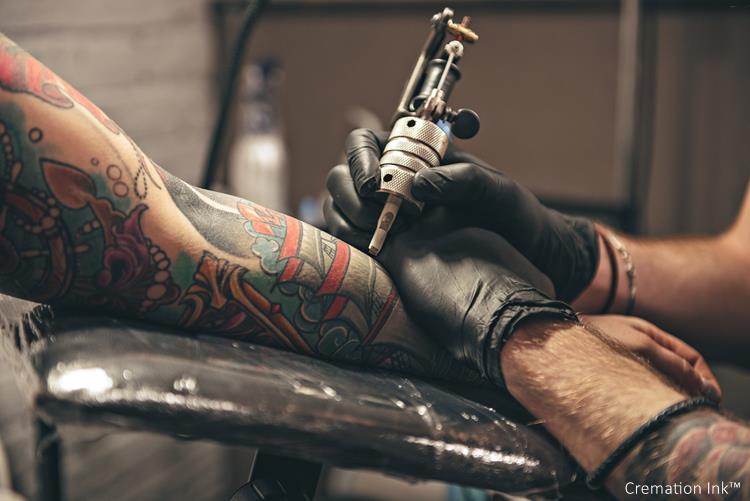
Your tattoo artist is the professional when it comes to your skin and the tattoo they’ve put on it. You don’t have to go running to your GP for normal healing. Your artist can tell you if something looks off, and if it does, they’ll send you to the right person.
The Healing Process Stage By Stage
A tattoo healing properly tends to go through three rough stages.
Days one to seven. This is the inflammation phase. Slight redness, mild swelling, the area feels warm. Keep it covered or wrapped (most studios now use a second-skin film, which we’ll come to below), follow your artist’s washing instructions, and apply Bepanthen as directed.
Week two to four. The surface skin starts to flake and peel as the body sheds the top layer. It looks dry and a bit dull. This is completely normal. Don’t pick the flakes off. Let them come away naturally as the new skin underneath finishes forming. Keep applying a light layer of Bepanthen to ease the dryness.
Weeks four onwards. The surface looks healed, but the deeper layers of skin are still settling underneath. This part can take up to four months for a tattoo to fully establish in the skin, even though it looks fine on the outside. The tattoo can stay slightly cloudy for a few weeks during this phase, then gradually clears as the deeper skin finishes regenerating.
Keeping Your Tattoo Covered
A lot of professional tattoo studios have now moved on from the old clingfilm wrapped around your arm in swathes. The current best practice is a dedicated tattoo film (sometimes called a “second skin”), made specifically for the tattoo industry. The advantages are real. The film stays on for the first week, the area is properly sealed from the start, and the film is waterproof, so you can shower (briefly, without scrubbing the area) without the cross-contamination worries that come with lotions and cling film.
After a week, remove the film, give the area a gentle clean, and switch to Bepanthen for the next stage of healing.
If your studio still uses clingfilm, that’s fine too. Just follow their specific aftercare instructions and change the wrap as they recommend.
Why Bepanthen Is The Tattooist’s Favourite
We can’t say it strongly enough. Use Bepanthen, the baby nappy cream. Not Sudocrem. Not random pharmacy lotions. Not whatever’s on the bathroom shelf.
Bepanthen has been the tattoo industry’s quiet favourite for a long time, and there’s a reason. It’s plain, gentle, fragrance-free, and it moisturises without sealing the skin too tight. It supports fast healing, keeps the colours bright, and reduces the chance of scabs forming. Most tattoo studios sell it at the counter, and most artists recommend it without hesitation.
Apply a thin layer twice a day during weeks two and three. Don’t overdo it. Less is more. A heavy, greasy layer suffocates the skin and can pull ink as it peels.
Why A Tattoo Goes Cloudy While Healing
A lot of people panic at this stage, which is understandable. The tattoo looks vibrant on day one, then a couple of weeks in it looks a bit cloudy, a bit grey-washed. The colour looks dull, the lines look softer.
This is normal. The cloudiness comes from the early layer of new skin forming over the tattoo as it heals. Underneath that, the tattoo is exactly as your artist did it. As the skin continues to regenerate and the surface layer settles, the cloudy look gradually disappears and the full vibrancy comes back through.
If your tattoo had any area packed with solid colour, that’s the area most likely to look cloudy during this phase. Don’t worry. The tattoo isn’t damaged or fading. It’s just doing what tattoos do while the skin recovers.
Be Kind To Your Tattoo
Even when the tattoo looks healed on the surface, the deeper layers are still settling. So for the first month or so, take it easy.
Avoid swimming pools, the sea and long baths until the tattoo is fully healed. Showers are fine.
Keep direct sunlight off it. Sun on a fresh tattoo fades the colour and can also burn the still-healing skin. A cover-up, long sleeves, or staying in the shade for the first few weeks is the best approach.
Don’t pick, scratch, rub or peel at it. Let your body sort it out.
Don’t switch to random lotions because you saw them on TikTok. Stick to Bepanthen until the tattoo is fully healed. Other lotions can cause irritation, slow healing or even pull ink.
Wear loose clothing over the tattoo for the first week. Tight fabric rubbing against a fresh tattoo isn’t kind to the healing skin.
Nearly Healed
Once you’ve come through the healing process properly, your tattoo settles into its final form. Bright, bold, and (if colour was used) every bit as vivid as the day your artist finished it.
From there, the only care it needs long-term is a good sun cream over the tattoo when you’re in strong sunlight. UV is the single biggest cause of tattoo fading over the years, so a SPF 30 or higher on the tattooed area whenever you’re in the sun will keep it looking sharp for decades. Other than that, enjoy your tattoo.
Do Ashes Tattoos Heal Differently?
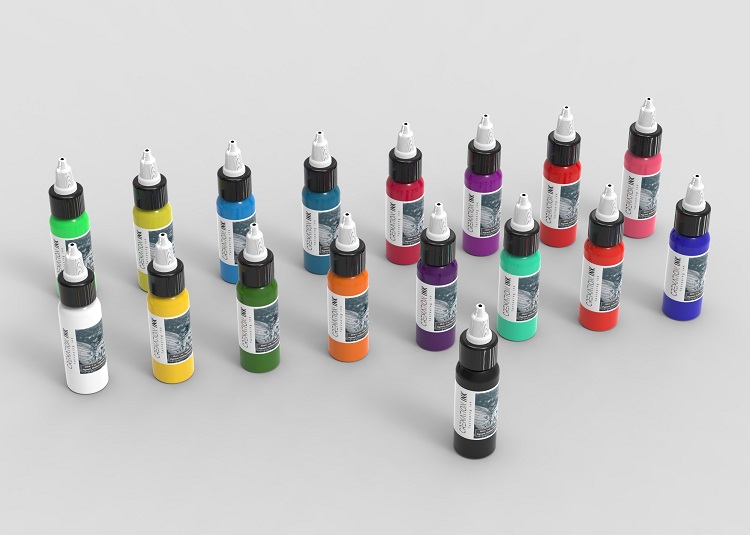
No, and this is worth saying clearly. A tattoo done with Cremation Ink ® heals exactly the same as any other quality tattoo. There’s no special aftercare, no extra steps, no different timeline.
The reason is that the ashes have been fully processed and infused into our high quality tattoo pigment in our UK lab before the bottle reaches your tattoo artist. By the time it’s in their machine, it behaves like any other professional ink, and once it’s in your skin, it heals exactly the same way. You can read more on our putting cremation ashes in ink page about how the ink is prepared, and more on our ashes into tattoo ink safe page about why the tattoo ink with ashes you walk out with is fully safe.
The cloudiness, the peeling, the gradual return to full vibrancy, all of it follows exactly the same arc as a normal tattoo. Just standard tattoo aftercare. That’s the point.
If you’d like to read more about why this works the way it does, the process page goes into the lab side, and our memorial tattoo designs page has design inspiration for if you’re still working out what to have.
When you feel ready, you can order your inks here. We’ll send out a kit, walk you through it, and look after the rest. Or contact us first if you’d like to talk anything through.

Healing Your Tattoo FAQs
How long does a tattoo take to heal?
The surface usually looks healed within two to three weeks, but the deeper layers of skin take up to four months to fully settle. Healing speed varies person to person, so don’t worry if yours is slightly faster or slower than someone else’s.
What’s the best aftercare cream for a tattoo?
Bepanthen, the baby nappy cream. It’s been the tattoo industry’s favourite for a long time because it’s plain, fragrance-free, gentle, and helps the tattoo heal cleanly without forming heavy scabs. Don’t use Sudocrem, and don’t use random pharmacy lotions. Just Bepanthen, applied lightly, twice a day during weeks two and three.
Should my tattoo be wrapped in clingfilm or second-skin film?
Most modern tattoo studios use second-skin film, a dedicated tattoo aftercare film that stays on for the first week, is waterproof, and keeps the tattoo properly sealed without lotion cross-contamination. If your studio uses clingfilm, that’s fine too. Just follow their specific instructions.
Why does my tattoo look cloudy after a week or two?
A new layer of skin is forming over the tattoo as it heals, and that layer looks a bit hazy until it settles. It’s completely normal, especially over areas with solid packed colour. The full vibrancy comes back through over the next few weeks as the skin finishes regenerating.
Can I swim while my tattoo is healing?
Not in pools, the sea or long baths until it’s fully healed, which is around three to four weeks for the surface. Chlorinated water and salt water can both irritate a healing tattoo and slow the recovery. Quick showers are fine.
Can I be in the sun?
Keep direct sun off a healing tattoo. UV on a fresh tattoo fades the colour and can burn the still-recovering skin. Once it’s fully healed, keep a high SPF on the tattoo whenever you’re in strong sunlight, since UV is the main long-term cause of tattoo fading.
Does an ashes tattoo from Cremation Ink ® heal differently from a normal tattoo?
No. A tattoo done with Cremation Ink ® heals exactly like any other quality tattoo. The ashes are fully processed and infused into our high quality pigment in our UK lab before the bottle reaches your artist, so once it’s in your skin it behaves the same as any other professional ink. Standard aftercare applies.
Do I need special aftercare because there are ashes in the ink?
No. Because Cremation Ink ® handles all the ashes preparation off-site (sterilisation, contaminant removal, proper infusion into the pigment), the finished tattoo is no different from any other quality tattoo for aftercare purposes. Just follow your artist’s standard advice.
What if my tattoo looks infected?
Some redness and warmth in the first few days is normal. If you see growing redness, increasing pain, swelling that doesn’t go down, pus or fever, see your GP. A reputable tattoo studio always recommends standard aftercare so this doesn’t happen, which is one of the reasons we recommend you never accept an offer to mix raw ashes into ink at a studio. The clean, properly processed ink from Cremation Ink ® avoids the contamination issues that can lead to infections.
How long until I can apply moisturiser normally?
After about three to four weeks, the surface is healed enough that you can switch from Bepanthen to your usual fragrance-free moisturiser. Keep the tattooed area moisturised long-term to keep the skin healthy and the tattoo looking sharp.