Tattoo Ink With Ashes
The guide to tattoo ink infused with a loved one’s ashes, why it works, the history behind it, and what it means today.
Tattoo Ink With Ashes: A Full Guide To The Modern Memorial Tattoo
Tattoo ink with ashes is what Cremation Ink ® has built its name on. This page is the wider story behind that, where tattoos came from, how cremation became the most chosen funeral option, and how the two meet in the most personal memorial tattoo a person can have. If you’d like the technical side, our process page explains how the ink is made.
Tattoos And The Process Of Mixing Tattoo Ink With Ashes
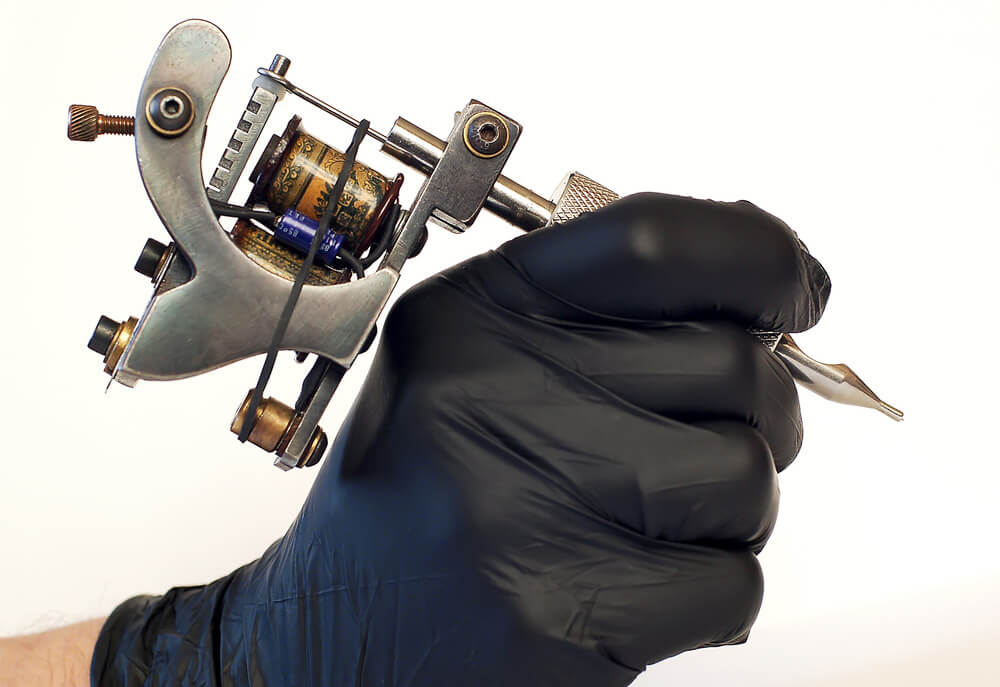
Tattoos have been part of human life for thousands of years. People have marked their skin for tribal identification, for protection, for status, for art, and now (in one of the most personal expressions of all) to keep a loved one with them after they’ve gone. Tattoo ink with ashes sits at the very personal end of that long tradition, and it’s what we’ve spent over twenty years getting right at Cremation Ink ®.
The Earliest Tattoos
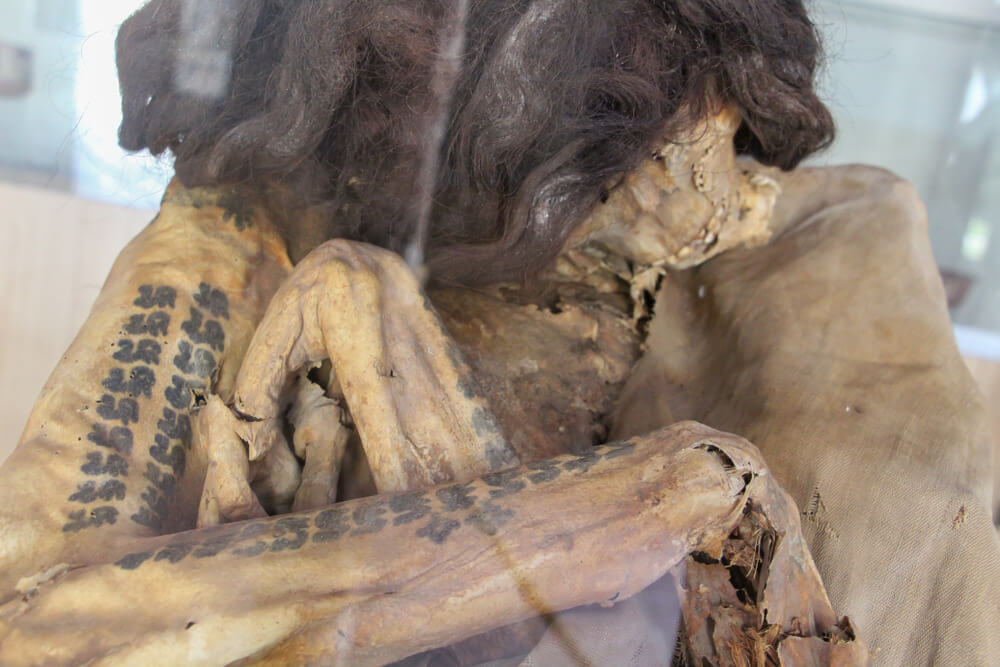
The first tattoos were almost certainly an accident. Someone rubbed soot from a fire into a cut and discovered that the dark mark stayed. From there, the idea was refined. Archaeologists have found Neolithic sharpened bone needles and small clay discs that were used to push soot and embers into the skin, in use as far back as around 3,300 BC. Egyptian mummies dating to around 2,000 BC carry tattoos too. The urge to mark the skin is one of the oldest cultural impulses we have.
Tattoos In Ancient Europe
In ancient China, tattoos were common among tribes settled in the Pacific islands and across parts of Asia. Across pre-Christian Europe, the Celts and the Germanic tribes were heavily tattooed. Roman accounts refer to them as “Picti,” meaning “the painted ones.” As the Romans came into contact with these cultures, they brought tattoos back home with them. Returning Roman soldiers would often arrive carrying fresh pieces of body art.
That changed with the spread of Christianity. Emperor Constantine eventually banned tattoos, seeing them as a misuse of the human body, which he held was made in God’s image. From that point, tattooing largely disappeared from Europe for around 1,500 years.
The Modern Acceptance Of Tattoos
It was Captain James Cook, in 1769, who reintroduced tattoos to Europe after his expedition to Tahiti. The modern word “tattoo” comes from the Tahitian “tatau,” describing the striking technique used by the islanders to apply marks to the skin. Western society took a while to warm to the practice again, and for a long time sailors who returned with tattoos were seen as outsiders.
That feeling has long since faded. Today tattoos are widely accepted, even by many of the religious institutions that once banned them. By the second half of the twentieth century, tattoos were broadly mainstream, and now you’ll see them across every walk of life, from doctors and lawyers to school teachers and grandparents.
Why Ashes Have Found A New Place In Modern Memorials
In parallel with that shift in attitudes towards tattoos, the way people deal with death has been shifting too. Cremation has overtaken burial as the most chosen funeral option in many countries. In the US in 2016, cremations passed 50% for the first time. The Cremation Association of North America projects 80% in Canada and similar growth in the US over the coming years. The UK has run at over 75% cremation for decades.
With more families holding ashes rather than visiting a grave, new traditions have grown up around what to do with them. People now place small amounts of ashes into bespoke jewellery, fireworks, oil paintings, glassware, vinyl records, and (for the most personal of all) infused into tattoo ink at Cremation Ink ®.
The Cremation Process
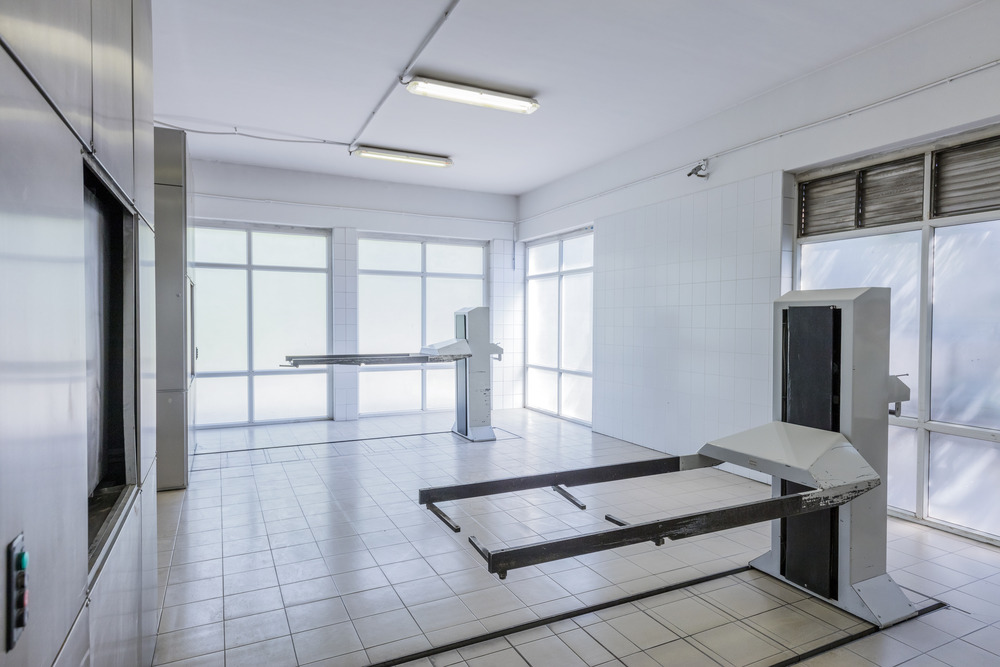
Before, cremation involved burning a body on an open wooden pyre. Modern cremation looks nothing like that. It uses sealed, high-energy chambers called cremators, fired by gas or propane, that reach temperatures of around 800 to 1000 degrees Celsius (roughly 1,500 to 1,800 degrees Fahrenheit).
The intense heat is contained inside the chamber by thick refractory brick walls and a specialist masonry floor designed to handle the temperatures. Modern cremators include electronic monitoring so the operator can track every part of the cycle and respond instantly to temperature changes.
The body, placed inside a cardboard container or a coffin built to combust cleanly with very little waste, consists largely of water, carbon and bone. The heat of the cremator evaporates the water and oxidises the soft tissue, leaving bone fragments and trace elements behind. Exhaust gases are filtered before release, and the water vapour vents off. A typical cremation takes around two to two and a half hours, depending on the size of the deceased and the temperature profile of the cycle.
Once finished, the chamber is left to cool for around half an hour to an hour. The bone fragments are then collected and passed through an electromagnetic field to remove any residual metals (dental fillings, surgical implants, casket fittings). Pacemakers must be removed beforehand, as they can be an explosion risk.
The fragments are then processed through a cremulator, which reduces them to the fine, sand-like consistency families recognise.
What People Do With Cremation Ashes
Once the ashes come home, the question becomes what to do with them. Some families choose one option, some choose several. There’s no right answer.
Keep them in an urn at home. Still the most common choice. Many families place the urn on a mantelpiece, a shelf in a favourite room, or a quiet spot on a bedside table. You can pick a simple urn or a more decorative piece to suit the space.
Have ashes sent into space. Yes, this is a real service. A small amount of ashes can be carried into space and released, gently drifting between the stars. Costs depend on the quantity. For a smaller, more affordable version, ashes can also be placed into firework rockets and released into the night sky.
Memorial jewellery. Modern jewellers can incorporate ashes into pendants, lockets, rings and bracelets in silver, gold or other metals. These pieces are often shared across family members and can be handed down through generations.
Infuse them into tattoo ink. This is where we come in, and it’s covered in depth on our ashes into tattoo ink page.
Infusing Cremation Ashes Into A Tattoo
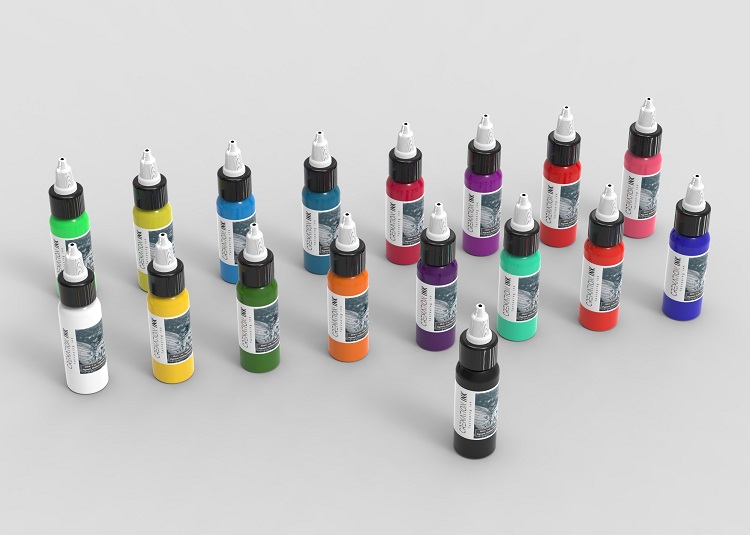
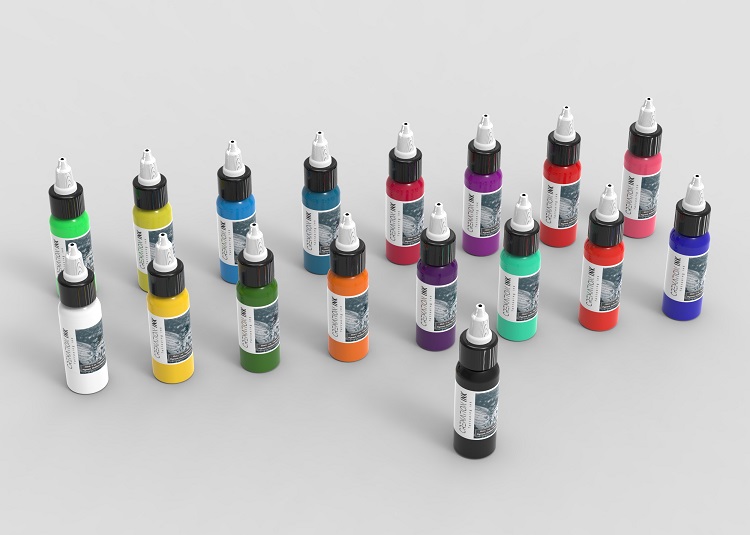
At Cremation Ink ® we take a small amount of your loved one’s ashes and infuse them into high quality professional tattoo ink. You then take that ink to your favourite local tattoo artist and have them create a memorial tattoo for you. From that moment, your loved one is woven into the very ink in your skin, and they go everywhere you go.
We use specialist equipment and refined in-house protocols to reduce the ashes to a state that genuinely combines with our pigment, rather than sitting gritty in the ink. Heavy metals and medicinal residue are filtered out, and the ashes are thoroughly sterilised before being bound into the ink. The full process is explained on our putting cremation ashes in ink and our wider process pages.
What Is A Cremation Ashes Tattoo?
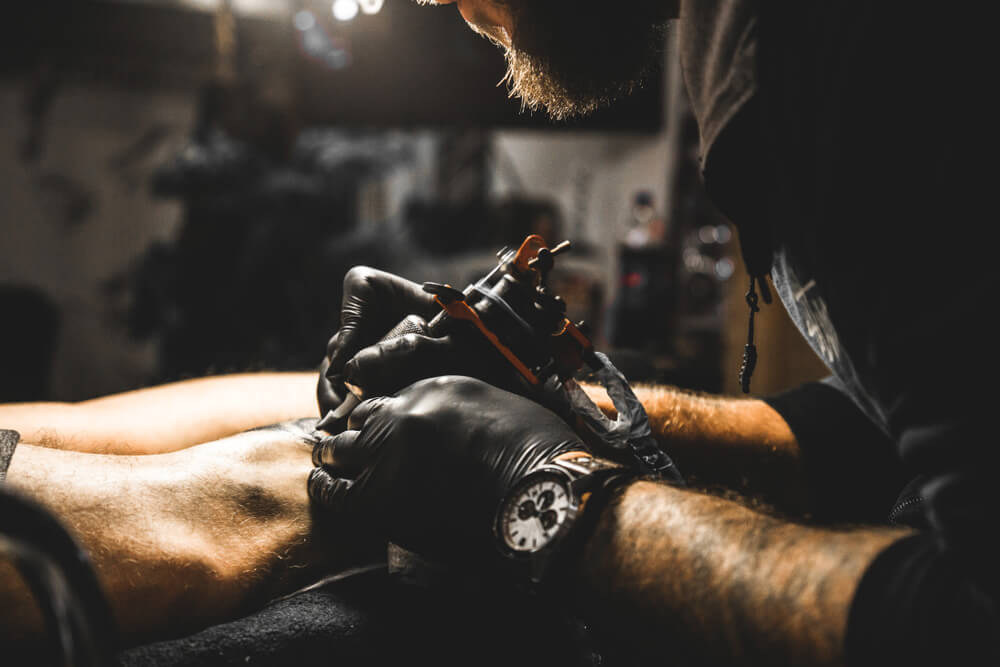
A cremation ashes tattoo is a personal expression of love and memory for someone who has died. Like other memorial tattoos, it often features a portrait, a quote, a date, a symbol, a paw print or a favourite image. The difference between a normal memorial tattoo and a cremation tattoo is that the artist works with ink already prepared with a small amount of your loved one’s ashes, supplied by Cremation Ink ®.
That means the ashes themselves become part of the tattoo, and an enduring part of the person who wears it. Roughly a tablespoon of remains is combined with our high quality tattoo ink with cremation ashes per bottle, then used by your chosen tattoo artist exactly as they would use any quality professional ink. A simple, deeply symbolic way to keep your love for the deceased close, for the rest of your life.
Why Get An Ashes Tattoo?
More and more people are finding that a permanent reminder of a loved one helps them cope with the loss. The transition from burial to cremation has changed how we think about remembering the dead, and as those customs evolve, our openness to new ways of honouring loved ones grows naturally with it.
A tattoo that lives on your own skin, in a place you’ll see every day, has a quiet, daily presence that other tributes can’t quite match. It’s not in a drawer or on a shelf. It’s with you, on you, the whole time.
What Getting An Ashes Tattoo Is Really Like
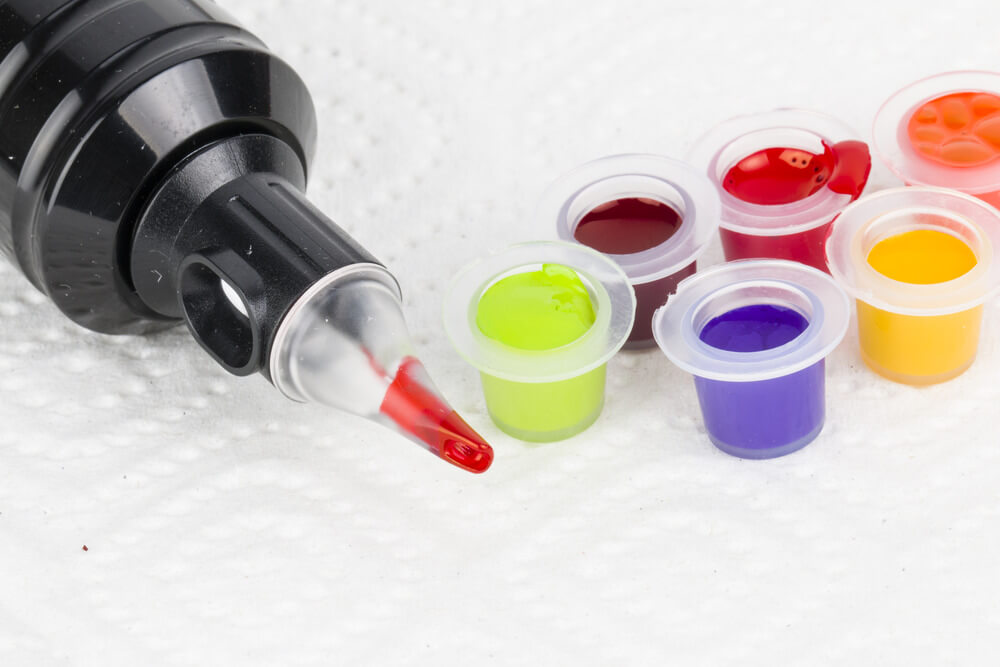
It’s the same experience as getting any other tattoo. The only real difference is what’s in the ink pot.
Your tattoo artist takes the prepared ink from Cremation Ink ®, transfers it into their ink pot, and works as they would on any other piece. For the ink to behave properly the ashes need to be a fine, uniform consistency, otherwise they’d risk clogging the tattoo machine. That issue (and why it matters) is covered on our dedicated mixing tattoo ink with ashes page.
What it means in practice is that your artist has full creative freedom. Fine line, shading, solid colour packing, full colour designs, all of it on the table. Whatever your design needs, our ink can deliver it.
Why Ashes Tattoos Are So Popular Now
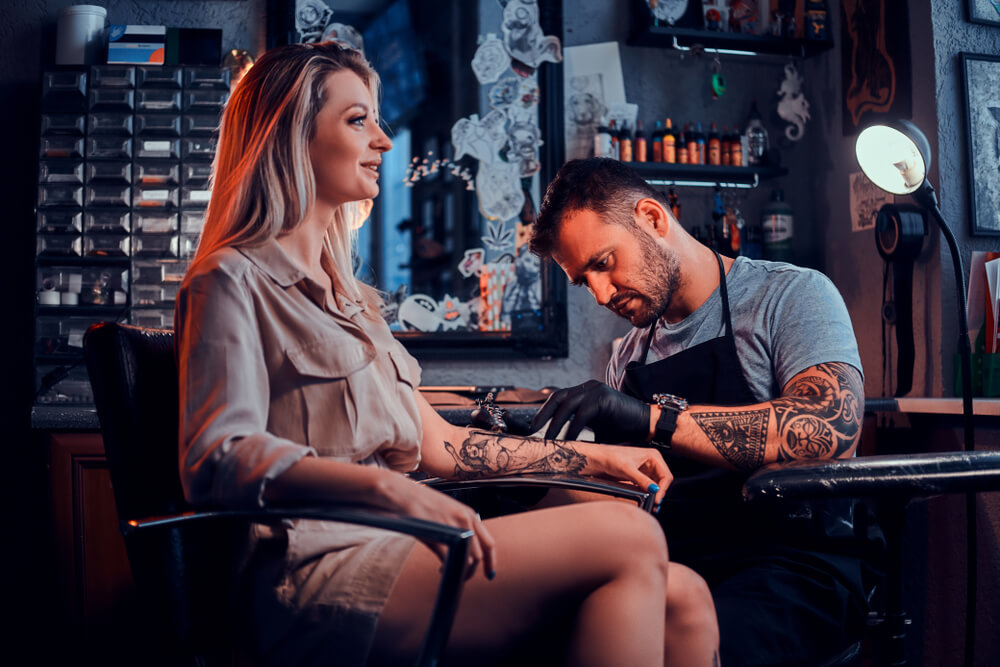
Tattoos are popular because they’re personal. Everyone wearing one has their own reason for it. An ashes tattoo is perhaps the most personal kind there is, because the wearer is carrying not just a picture or a symbol, but an actual physical piece of someone they loved. As more people understand they can use Cremation Ink ® to do this safely, the option has grown from a quiet curiosity into a mainstream choice. The wider context behind that growth is covered on our cremation ashes in tattoo ink page.
The Meaning Behind A Cremation Tattoo
Using your loved one’s ashes in a tattoo is a way of honouring them at the deepest level. Most people understand that visual memorials create a lasting connection. With a cremation tattoo, that connection becomes physical too. The ashes are no longer separate from you, sitting in an urn at home. They’re now part of you.
We see this work in both directions, for human loved ones and for pets. There’s a separate page on human ashes in tattoo ink and one on dog ashes into tattoo ink that go into each in more detail.
Is It Safe And Legal?
Yes on both counts. Once your loved one has been cremated, any bacteria or infection that lived with them in life will have been destroyed by the heat. The ashes that arrive back to a family are sterile but may still contain trace heavy metals and remnants of medication, which is why simply tipping them into a tattoo studio ink pot is a bad idea.
At Cremation Ink ® we go several steps further. We filter and remove the heavy metals and any medicinal residue, sterilise the ashes thoroughly, and infuse them into the ink in a controlled lab environment. By the time the bottle reaches your artist, the ink is fully safe to be tattooed into your skin. The full safety picture is on our ashes into tattoo ink safe page, and the legal side, including our role as a UK-based specialist, is on our ashes in tattoo ink is legal page.
On the artist’s side, the usual rules apply. Clean studio, sterile equipment, single-use needles, fresh ink pots. That’s how every quality tattoo studio operates, and an ashes tattoo doesn’t change a thing about how they work.
If you have any questions on the process, the safety, or how to send your loved one’s ashes to us, please get in touch and we’ll happily walk you through it.
Explore The Tattoo Ink With Ashes Silo
If you’d like to dig deeper into any specific part of what we do, the pages below cover each topic in depth:
- Ashes into tattoo ink, the broader overview
- Ashes in tattoo ink is legal, the legal landscape and our role as a licensed third party
- Ashes into tattoo ink safe, the science and protocols behind why our ink is safe
- Cremation ashes in tattoo ink, the broader context
- Dog ashes into tattoo ink, the dedicated page for losing a pet
- Human ashes in tattoo ink, the dedicated page for losing a person
- Mixing tattoo ink with ashes, why proper infusion matters
- Putting cremation ashes in ink, the step-by-step
- Tattoo ink with cremation ashes, the product side
Final Thoughts
Tattoos have always been personal, but an ashes tattoo takes that to its furthest point. It’s the only tribute that lets you carry a real, physical part of your loved one with you for the rest of your life. Tattoo artists love working with Cremation Ink ® because they know the ink is professional, safe and easy to use, and that the work they do with it will be every bit as good as the work they do with their normal inks.
If you’d like to read further outside this silo, our ashes tattoo and ashes tattoo ink pages go deeper on the side closest to the tattoo itself.
When you feel ready, you can order your inks here. We’ll send out a kit, walk you through it, and look after the rest. Your local tattoo artist takes care of the design, your loved one stays with you for life.

Tattoo Ink With Ashes FAQs
Tattoo Ink With Ashes FAQs
What is tattoo ink with ashes?
Tattoo ink with ashes is professional tattoo ink with a small amount of a loved one’s cremation ashes infused into it. Cremation Ink ® processes and sterilises the ashes in our UK lab, then bonds them into the pigment at a molecular level so the finished bottle behaves like any other quality professional tattoo ink, with your loved one woven through it.
Is tattoo ink with ashes safe?
Yes, when Cremation Ink ® has prepared the ink. We filter heavy metals and medicinal residue from the ashes, sterilise them through multiple stages, and combine them with high quality pigment in a controlled lab environment. The risks people occasionally hear about come from raw ashes being tipped into ink at a studio, which is a very different scenario from a properly prepared Cremation Ink ® bottle.
Can my local tattoo studio just mix the ashes themselves into ink for me?
Any reputable tattoo studio would never put raw ashes into ink and tattoo them straight into a client. A tattoo studio is not built for the lab work involved in preparing cremation remains, and doing this work in a studio is not safe for the client. Cremation Ink ® was founded as the UK-based specialist that handles this preparation properly, so by the time the bottle reaches your local artist, the ashes have been cleaned, sterilised and properly infused into our pigment. The artist focuses on the tattoo itself, the way it should be.
How is tattoo ink with ashes made?
The ashes are reduced to the same particle size as the pigment, cleaned, sterilised at multiple stages, and bound into the ink so they sit in proper suspension. Cremation Ink ® uses years of refined in-house protocols to do this, and the finished ink lines, shades and packs colour like any quality professional ink. The full step-by-step is on our process page.
Can my own local tattoo artist use the ink?
Yes. The Cremation Ink ® bottle is designed to behave exactly like normal professional tattoo ink, so any good local artist can use it with no special training. They simply pour the ink into their pot and tattoo as they normally would. No specialist required at their end.
How much of my loved one’s ashes do you need?
About a tablespoon per bottle of ashes tattoo ink. Anything Cremation Ink ® does not use in the infusion process is returned to you alongside the finished bottle. Your loved one’s ashes are tracked against a unique order code from arrival to return, so you get back everything we did not use.
Why are tattoos with cremation ashes becoming so popular?
Cremation has overtaken burial as the most chosen funeral option in many countries, and families are looking for new ways to honour loved ones beyond an urn on the mantelpiece. A memorial tattoo with Cremation Ink ® is the most personal of those options, because your loved one is carried on your own skin, every day, for the rest of your life. Most other tributes sit in a drawer or on a shelf. A tattoo travels with you.
Can the ink be used for pets as well as people?
Yes. The Cremation Ink ® process works exactly the same for pets as for people. Dogs, cats, horses and any other companion are all welcome, and a memorial tattoo for a pet is one of the most loving tributes a family can have.
Will the tattoo heal like a normal tattoo?
Yes. Because the ashes have been properly cleaned, sterilised and infused into the pigment in the Cremation Ink ® lab before the bottle reaches your artist, the tattoo heals exactly like any other quality tattoo. Standard aftercare from your artist applies, with no special handling required.
Where in the world can I get a tattoo with the ink?
Anywhere. Cremation Ink ® ships finished ashes tattoo ink tracked and signed for to clients on every populated continent. Once the bottle arrives at your address, you take it to whichever local tattoo artist you trust most, and they create the memorial tattoo your loved one deserved.