The Cremation And Burial Process
Understanding Whats Going To Happen
Losing someone you love is one of the hardest things any of us go through, and in the middle of that grief there are decisions to be made about how to lay them to rest. For most people it comes down to two choices, cremation or burial, and both carry their own traditions, their own comfort and their own meaning. Neither is right or wrong. It is a deeply personal decision, shaped by faith, family, cost and what feels true to the person being remembered.
The Cremation And Burial Process
Saying goodbye to someone you love means making choices about how they are laid to rest, and those choices vary hugely depending on where you are in the world, what you believe, and the traditions you have grown up with. For some families it is cremation, for others a burial, and across history there have been many other ways too. Below we explain how the main methods work, how much they tend to cost, and where the customs come from, all in plain and gentle terms.
Cremations Around The World
Cremation is far from a modern idea, and it means very different things from one culture to the next. In parts of Asia it has been the central funeral rite for thousands of years. In Hindu tradition, for example, cremation is seen as a sacred release of the soul from the body, and in places such as Varanasi in India the ceremonies are carried out openly beside the river as part of a deeply held belief system. In Japan, cremation is close to universal, with families taking part in customs that have been handed down through generations.
In much of the West, attitudes have shifted a great deal over time. Where burial was once the default, cremation is now the more common choice in many countries, including the UK, where it accounts for well over half of all funerals. Some cultures and faiths still favour burial, and a number prohibit cremation altogether, so what feels normal in one country can be unthinkable in another. There is no single right way. Each tradition reflects how a community understands death, the body and what comes after, and all of them deserve respect.
The Flame Process Of Cremation
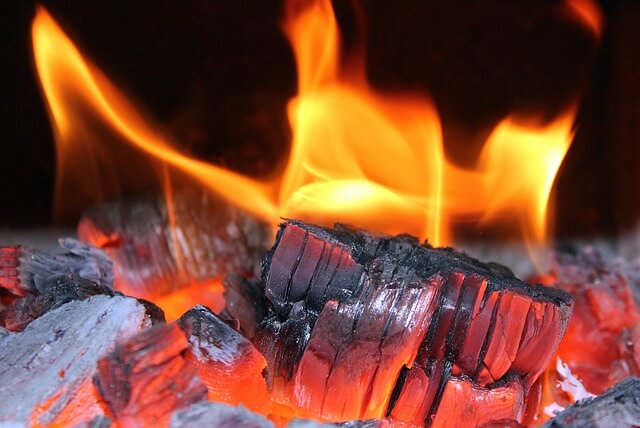
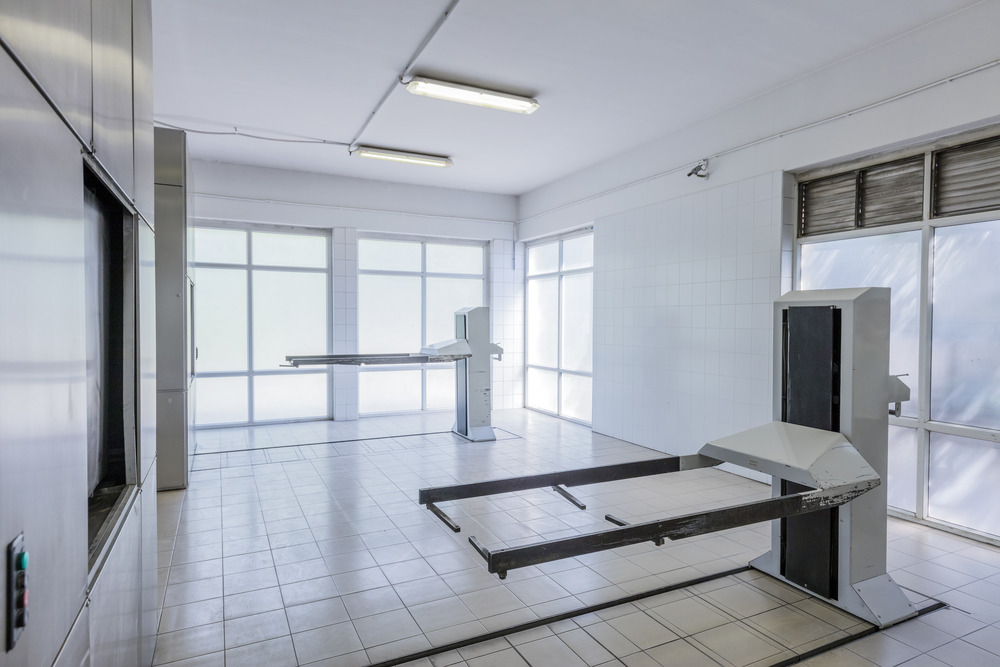
Flame cremation is the method most people picture when they think of the word. The body, placed in a simple coffin or container, is brought into a cremation chamber, sometimes called a cremator, which is heated to a very high temperature. Over a period of a couple of hours, intense heat reduces the body to its basic elements, leaving behind bone fragments rather than the soft ashes many people expect.
Once the process is complete and everything has cooled, those remaining fragments are carefully gathered and processed into the fine, sand like ashes that are returned to the family. Each cremation is carried out individually, and crematoriums follow strict procedures to make sure the ashes a family receives are those of their loved one and no one else. The ashes are then placed into an urn or container and handed back, ready for the family to keep, scatter, or use in whatever way brings them comfort. For a growing number of people, that includes setting a small amount aside to be infused into tattoo ink, so their loved one can be carried with them for good.
Traditional Funeral
A traditional funeral is the service many of us picture, a gathering of family and friends to mark the passing of someone they loved. It usually brings together a number of parts: the care and preparation of the person who has died, a coffin, transport such as a hearse, and a ceremony led by a minister or celebrant, ending in either cremation or burial. There may be flowers, an order of service, music chosen with care, and a wake or gathering afterwards where people share memories.
The shape of a traditional funeral depends heavily on faith and culture. Some are solemn and religious, others are a celebration of a life well lived, and many sit somewhere in between. What stays the same is the purpose. It gives people the chance to come together, to grieve openly, and to say a proper goodbye. For many families this shared moment is an important part of beginning to come to terms with their loss, and it is often where they first start to think about lasting ways to remember the person they have lost.
Cremation Costs
Cost is a real and understandable concern, and funeral prices in the UK have risen steadily over recent years. The figures below are current for 2026 and will give you a sense of what to expect, though prices vary a good deal by region, with London and the South East sitting well above the national average.
A full, attended cremation funeral, meaning a service with mourners present, averages around £4,200 in 2026, with a simpler attended cremation costing roughly £3,518. By contrast, a direct cremation, which is unattended and has no funeral service, costs around £1,628 on average, making it the most affordable option. Burials are generally more expensive than cremations, mainly because of the cost of the burial plot and grave digging, with a full burial typically costing somewhere between £5,200 and £5,900.
It is worth knowing that you have choices. Many families now choose a direct cremation and then hold a separate memorial or celebration of life on their own terms, which keeps costs down while still giving everyone the chance to gather and remember. Where you live makes a real difference too, with Northern Ireland among the cheapest regions and London the most expensive. If you are on a low income or receive certain benefits, you may also be eligible for a Funeral Expenses Payment from the government, which you need to apply for within six months of the funeral. Whatever you decide, taking a little time to compare options can ease both the financial and the emotional weight at a hard time.

The Cremation And Burial Process Q & A’s
What is the difference between cremation and burial?
Cremation uses intense heat to reduce the body to bone fragments, which are then processed into ashes and returned to the family. Burial places the body in the ground, usually within a cemetery plot. The choice comes down to faith, tradition, cost and personal wishes, and neither one is more right than the other.
Is cremation common around the world?
Very. In parts of Asia it has been the main funeral rite for thousands of years, and in countries such as Japan it is close to universal. In the UK cremation now accounts for more than half of all funerals, though some cultures and faiths still favour burial or do not permit cremation at all.
What happens during a flame cremation?
The body is placed in a coffin and brought into a cremation chamber heated to a very high temperature. Over a couple of hours the heat reduces it to bone fragments, which are then gathered, cooled and processed into fine ashes. Each cremation is carried out individually before the ashes are returned to the family.
What does a traditional funeral involve?
A traditional funeral usually includes the care of the person who has died, a coffin, transport such as a hearse, and a ceremony led by a minister or celebrant, ending in cremation or burial. It gives family and friends a shared moment to grieve and say goodbye, and its shape depends on faith and culture.
How much does cremation cost in the UK?
In 2026, a full attended cremation funeral averages around £4,200, while a simpler attended cremation is closer to £3,518. A direct cremation, with no service, is the most affordable at roughly £1,628. Prices vary by region, with London among the most expensive.
Why is direct cremation cheaper?
A direct cremation has no funeral service and no mourners present, so it removes many of the costs tied to a traditional send off. The ashes are returned afterwards, and many families then hold their own separate memorial on their own terms, which keeps the overall cost down.
Can I keep my loved one’s ashes after cremation?
Yes. Once a cremation is complete, the ashes are returned to you to keep, scatter or use however brings you comfort. Many people now set a small amount aside to be infused into tattoo ink, so they can carry their loved one with them for good.
The Origins Of Tattooing
The Cremation Process Explained
What Happens on The Day Of A Cremation?