The Origins of tattooing
Understanding where tattooing originated from
Understanding where tattooing actually originated from, and how far back the practice really goes, gives you a real sense of just how old and how human it is. To understand where tattooing came from is to look back thousands of years, across cultures that never met, all of whom arrived at the same idea of marking the skin.
Where Does The Word tattoo Come From?
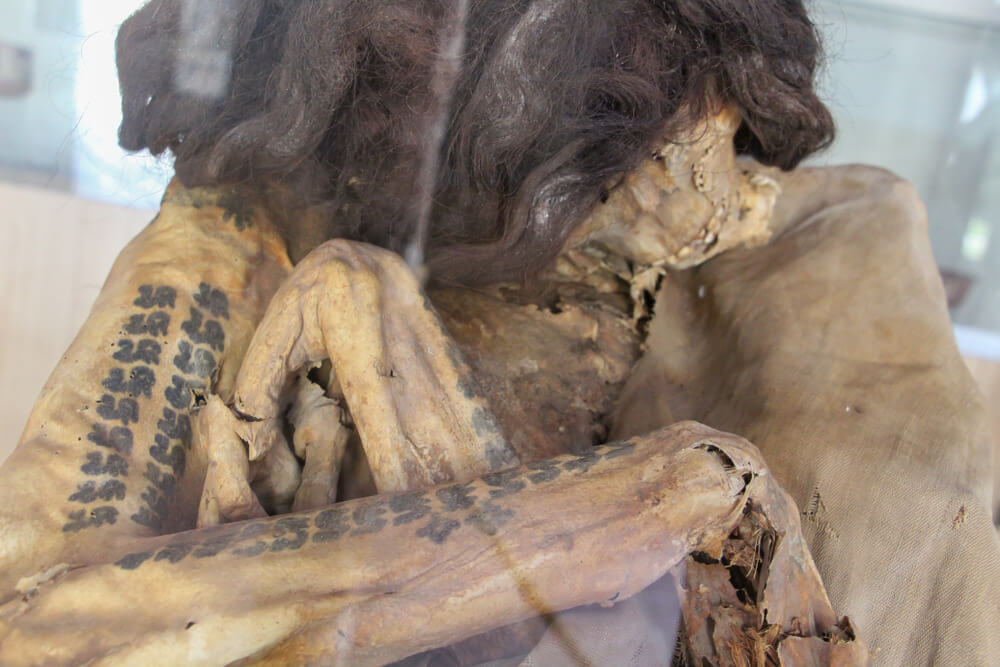
The word tattoo originates from the Tahitian word ‘tatu’, which means to mark something. It is a simple word for a simple idea, putting a permanent mark on the skin, and that idea is exactly what the practice has always been about. There is no doubt that the origin of tattooing has been debated in different circles around the world, and people still argue over exactly where and when it first began. One claim places tattooing as far back as 12,000 years BC, which would make it one of the oldest forms of human expression we know of. Whether or not that exact date holds, it tells you that marking the body is not new. It is something humans have been doing for a very, very long time.
History has shown that one of the earliest forms of tattooing originated in Egypt, around the period when the great pyramids were being built. That puts the practice right at the heart of one of the most advanced civilisations of the ancient world, which says a lot about how valued and established it already was. As the Egyptian Empire grew and expanded, so did the awareness of tattooing, and the practice spread further and further across the surrounding regions. It did not stay in one place. It travelled with people, with trade and with the reach of the empire itself.
From there the art was picked up and reshaped by other cultures as they developed. The growing societies of Persia, Arabia, Crete and Greece took up tattooing and modified it in their own ways, each adding something of their own to the practice rather than simply copying it. Tattooing also reached China at around 2000 BC, carrying the tradition even further east. Piece by piece, region by region, the practice spread across the ancient world, and the simple act of marking the skin became something shared by cultures far apart from one another.
What Tattoos were used for by Different Groups.
The following group uses tattoos for their different purposes.
Greek Tattoos
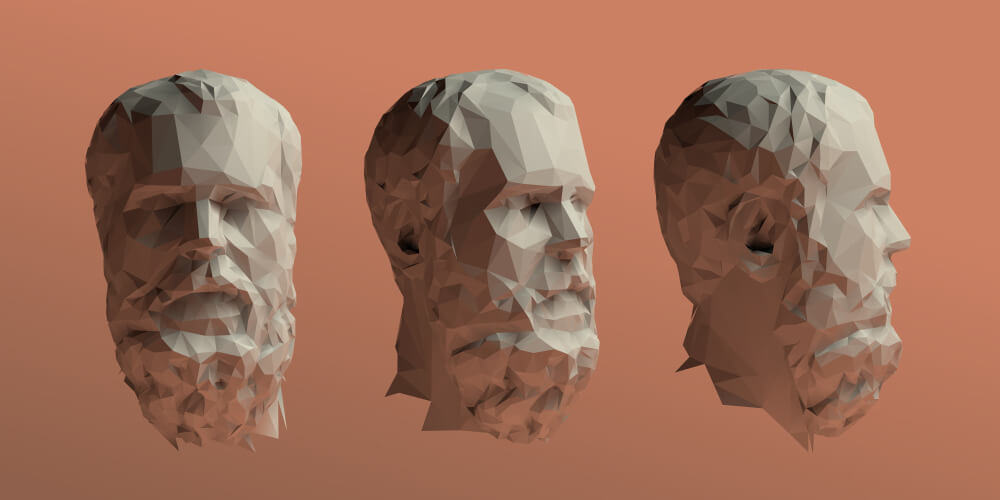
Tattooing was used by the Greeks as a means of communication among spies. A mark placed on the skin could identify a spy to those who knew how to read it, and it could reveal that spy’s rank within their network. It was a quiet, practical use of tattooing, less about decoration and more about information. In a world without modern communication, a hidden or coded mark on the body was a way to carry a message that could not be easily lost, faked or passed to the wrong hands. The mark itself did the talking, telling the right people who a person was and where they stood.
Roman Tattoos
The Romans used tattooing to mark criminals and slaves. Rather than wearing a tattoo as a badge of identity or status, these people were marked against their will, so that anyone who saw them would know exactly what they were and where they belonged in society. It was a way of labelling and controlling people through the skin. There is no doubt that this practice, marking a person to brand them or set them apart, is still very much in existence today in various forms. The Roman approach shows the other side of tattooing’s long history, where the mark was used not to celebrate a person but to single them out.
Ainu in Western Asia
Tattooing also worked as a display of social status among the Ainu people of western Asia. Among the Ainu, ladies and women who had reached a marriageable age were marked to announce their place within society, so that their standing could be read clearly by those around them. The tattoo carried real meaning about who a woman was and where she sat in the community. The Ainu are well respected for introducing tattooing into Japan, passing the practice on to a culture that would take it much further. In Japan, tattooing went on to develop into something deeper still, becoming part of religious and ceremonial life rather than simply a personal mark.
Borneo
In Borneo, it was the women who were the tattooists. They created a wide range of designs that reflected their tradition and their culture, and the skill of tattooing was held in their hands. The Kayan women wore beautiful tattoos that resembled delicate lacy gloves, intricate enough to look almost like fine clothing worn on the skin. Dayak warriors carried tattoos on their hands too, and these marks were not just decoration. They commanded respect and signalled the bearer’s status and standing in life, so that a person’s hands could tell others exactly who they were and what they had earned.
Polynesians
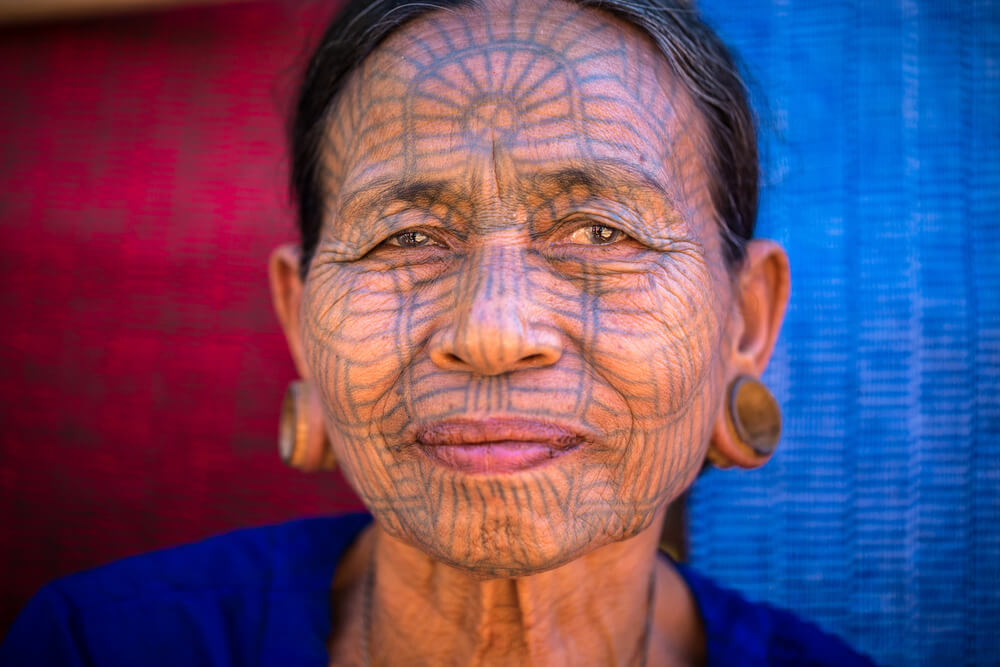
The Polynesians developed tattoos to represent tribal communities, families and ranks. A person’s tattoos could show which tribe they belonged to, which family they came from and where they stood within their people, so the marks carried real meaning about identity and place. The Polynesians brought tattooing to New Zealand, taking the practice with them as they settled. There they developed Moko, a facial type of tattoo, and this tradition is still very vivid in our modern society today, recognised and respected far beyond where it began. Alongside this, there is an assertion that the peoples of the Maya, the Aztecs and the Incas also used tattooing for ritual purposes, marking the body as part of their own ceremonies and beliefs. Across these cultures, the tattoo was never just decoration. It was tied to who a person was and what they believed.
The Decline In The Origin Of Tattooing
The decline in the long history of tattooing is attributed largely to the Christian Missionaries, who preached against the practice in various quarters of society. They worked to persuade people against marking and piercing their bodies, and they encouraged communities to turn away from a practice they had often followed for generations. In their eyes, tattooing oneself was seen as an unholy act, something that should not be entertained or allowed to continue. The message was clear and it was repeated wherever they went.
Tattooing came to be considered a primitive act, viewed as something carried out by traditional communities rather than civilised ones. This view, pushed steadily through persuasion and preaching, led to the gradual decline of tattooing across Europe. The decline was further driven by Emperor Constantine, who went as far as prohibiting tattooing outright. The reasoning behind it was rooted in belief, the idea that the human body was made in God’s image and likeness, and that such a body should not be marked or destroyed by tattoos. Between the influence of the missionaries and the force of an imperial ban, a practice that had lasted thousands of years was pushed to the edges of European life.

Present Day Origins Of Tattooing
Present-day tattooing came into being in Europe in the 16th century. Travellers like Sir Martin Frobisher, Captain James Cook and William Dampier brought home different individuals from the areas they visited, people who were tattooed in nature, and this is part of what introduced the practice to a wider European audience. In the beginning, tattooing was kept for mariners and the lower classes, seen as something belonging to sailors and working people rather than respectable society. Things have changed now, due to modern day awareness, and tattoo craftsmen have turned out to be increasingly capable and skilled at what they do. Tattooing has moved on from being a fixed interest of privileged or rich individuals to something embraced by a far larger part of society, worn as a matter of personal choice rather than class or status.
Tattooing turned out to be increasingly prevalent in Maori culture as a result of European visitors. These Maori tattoos were incredibly formal in nature, carrying real meaning rather than being worn casually. The shades were originally made from customary, traditional substances, and this remained the case until the arrival of the Europeans, who introduced the tattooing techniques of the day. They brought in the use of dark powder to create the colours, and in doing so they gradually reduced the use of the natural substances that had been relied on in the old ways.
Tattooing has become less expensive over time, which has allowed more and more people to take part in it. It remained that way until the 1960s and the radical changes of that era, when tattooing slowly entered the mainstream, shifting from being seen as degenerate behaviour to being accepted as a type of self expression. It became so popular that even Mattel began selling Barbie dolls with tattoos. Today individuals of both genders, of every financial class and of any age wear tattoos by choice, and statistics show that by the year 2000 over 15 percent of Americans had tattoos.
The Importance Of Tattoos
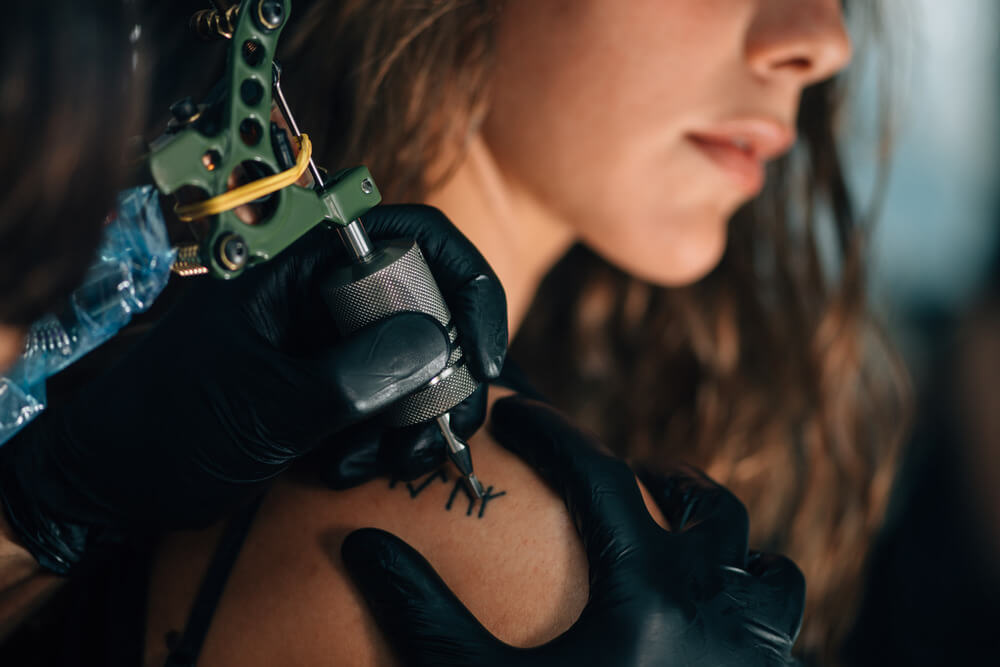
The importance of tattooing in every society cannot be undermined, even though some people tend to abuse and misuse the idea of what tattooing stands for. The reason for tattooing depends very much on an individual’s belief system or on the culture they come from, so what a tattoo means can change from one person and one place to the next. The following are some of the benefits that come from the origin of tattooing:
- Serves as healing to humanity
- It serves as a mode of communication
- It brings about social placement
- Identification
Serves as healing to humanity
One of the major benefits of the origin of tattooing is that it served as a healing method for religious people. For example, both Ancient Egypt and India made use of tattoos as a form of healing technique, working them into their beliefs about the body and wellbeing. A tattoo placed around the fingers and the wrist region of the body was believed to chase sickness away from the individual wearing it. In this way the mark was not just decoration, it carried a purpose, worn in the hope of protecting and healing the person who bore it.
It serves as a mode of communication
In Greek society, tattoos were used as a symbol of communication between different communities and clans. A mark on the skin could pass information to those who knew how to read it, and this helped the Greeks to identify spies and to make their ranks known. The benefits of tattooing in this sense were enormous to the growth and organisation of society, giving people a quiet, lasting way to carry meaning and identity that others could recognise at a glance.
It brings about social placement
The inception of tattooing was also seen as a social representation, a way of showing your class, your level of skill and your profession to those around you. This was clearly seen in Western Asia, where girls of marriageable age were tattooed to mark their placement in society and announce their standing to the community. For instance, women in Borneo tattooed their forearms as a symbol of their skill, so that a single look could tell others what they were capable of and where they belonged.
As a means of identification
Tattooing has long served as a means of identification, marking out who a person is and where they belong. A tattoo can set someone apart, link them to a group, or simply make them recognisable to others, and that use of the mark is so plain and so old that it has always been one of the most natural reasons to wear one.
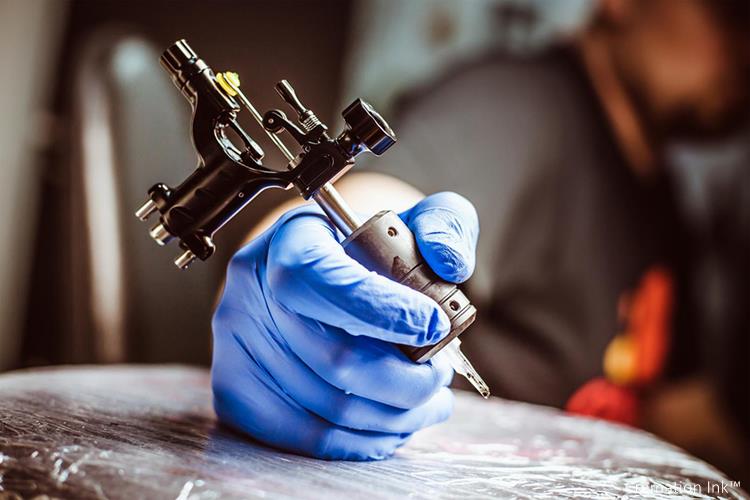
The importance of tattooing in present-day society cannot be undermined. It has long served as a means of identification and a means of communication, and those uses have carried right through to the modern day. Some scholars tend to criticise the entirety of tattooing, questioning the practice as a whole, but that does not take away from the role it continues to play. Ever since the origin of the tattoo, it has shown an individual’s membership of a particular clan or tribe, marking clearly who a person belongs to and where they stand among their own.
Also, in recent times, the same idea can still be seen at work. As an example, the Hells Angels tattoo indicates their group symbol, showing membership and belonging in exactly the way tribal marks once did. The mark identifies the wearer as part of the group, and others can recognise it on sight.
Another example of how the origin of the tattoo still echoes today can be seen in film. There are movies in which people belong to a secret club, and tattoo symbols are used as their means of access or recognition, a hidden mark that proves who is part of the circle and who is not. It is the same principle the practice began with, simply carried into a modern setting, where a tattoo still says who you are and what you are part of.

Origins Of Tattooing Q & A
Where does the word tattoo come from? The word tattoo comes from the Tahitian word ‘tatu’, which means to mark something. It is a simple term for the act of putting a permanent mark on the skin, and that basic idea has stayed the same throughout the whole history of the practice.
How old is tattooing? Tattooing is thousands of years old. One claim places it as far back as 12,000 years BC, and preserved bodies carrying tattoos have been found that are over five thousand years old. Whatever the exact starting date, the evidence shows that marking the body is one of the oldest forms of human expression we know of.
Where did tattooing originate? History points to Egypt as one of the earliest homes of tattooing, around the period when the great pyramids were being built. As the Egyptian Empire expanded, awareness of tattooing spread, reaching cultures such as Persia, Arabia, Crete and Greece, and arriving in China at around 2000 BC.
Why did ancient cultures use tattoos? The reasons varied from culture to culture. Tattoos were used for healing, for communication, to show social placement and status, and as a means of identification. They marked which tribe or family a person belonged to, recorded their rank, and in some societies were believed to protect the wearer or chase away sickness.
What is a Moko tattoo? Moko is a facial type of tattoo developed by the Polynesians after they brought tattooing to New Zealand. It carried real meaning about identity and standing, and it remains a vivid and respected tradition in modern society today.
Why did tattooing decline in Europe? The decline is attributed largely to Christian Missionaries, who preached against the practice and persuaded people that marking the body was an unholy act. Tattooing came to be seen as primitive, and the decline was driven further by Emperor Constantine, who prohibited it on the belief that the human body was made in God’s image and should not be marked.
When did modern tattooing begin in Europe? Present-day tattooing came into being in Europe in the 16th century. Travellers such as Sir Martin Frobisher, Captain James Cook and William Dampier brought home tattooed individuals from the places they visited. At first the practice was associated with mariners and the lower classes, before spreading across society as a matter of personal choice.
When did tattoos become mainstream? Tattooing entered the mainstream during the 1960s, shifting from being seen as degenerate behaviour to an accepted form of self expression. It became so popular that even Mattel sold Barbie dolls with tattoos, and by the year 2000 over 15 percent of Americans had tattoos.
What were tattoos used for as identification? Tattoos have always served to mark who a person is and what they belong to. The Greeks used them to identify spies and show rank, the Romans used them to mark criminals and slaves, and in modern times group symbols such as the Hells Angels tattoo work in the same way, identifying membership at a glance.

A Guide To Modern Day Tattooing
The Cremation Process Explained

What Happens on The Day Of A Cremation?