Modern day tattooing
How Modern day Tattooing Is done
Modern day tattooing has come a long way from the methods used by the ancient cultures that started it all.
On this page we explain how modern tattooing works, from the way the machine places ink into the skin to the steps a good artist follows to keep the whole process safe and the finished tattoo looking its best.
Brief Origin of Tattooing
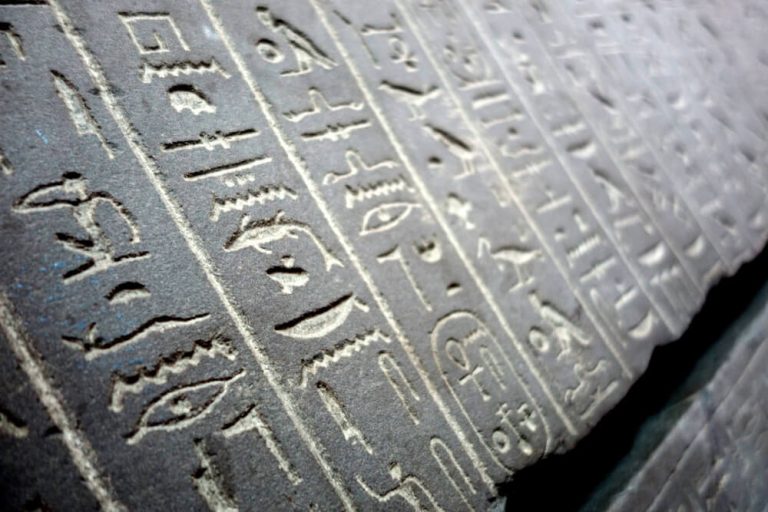
Tattooing was a typical practice in Rome, common and widely accepted, until the large spread of Christianity began to change things. As the new faith grew and gained acknowledgment, attitudes towards marking the body began to shift. When Christianity became the overwhelming religion in Europe, Emperor Constantine prohibited tattooing altogether, turning what had been an everyday practice into something banned. The reasoning behind it was rooted in belief. Individuals held that the human body was made in God’s image and that it should not be destroyed or marked by tattoos. This idea took a firm hold on many people, and once it had, it lasted for a very long time, shaping how the practice was viewed across generations.
Even though tattooing can be traced back much further than this, this period is classed as the origins of tattooing in the sense that the local populace still chose to get tattoos performed, even when they had been banished and branded as evil. People kept the practice alive in spite of the disapproval around them. As time went on, Christian evangelists and colonisers carried this thought and belief system with them, spreading it alongside their faith as they travelled, and their loyalists took it throughout the world. On regular occasions, preachers would endeavour to persuade individuals around the world to avoid tattooing themselves, pressing the same message wherever they went. In terms of changing minds and turning people away from the practice, this was a huge accomplishment.
The Beginning Of Modern Days Tattooing.
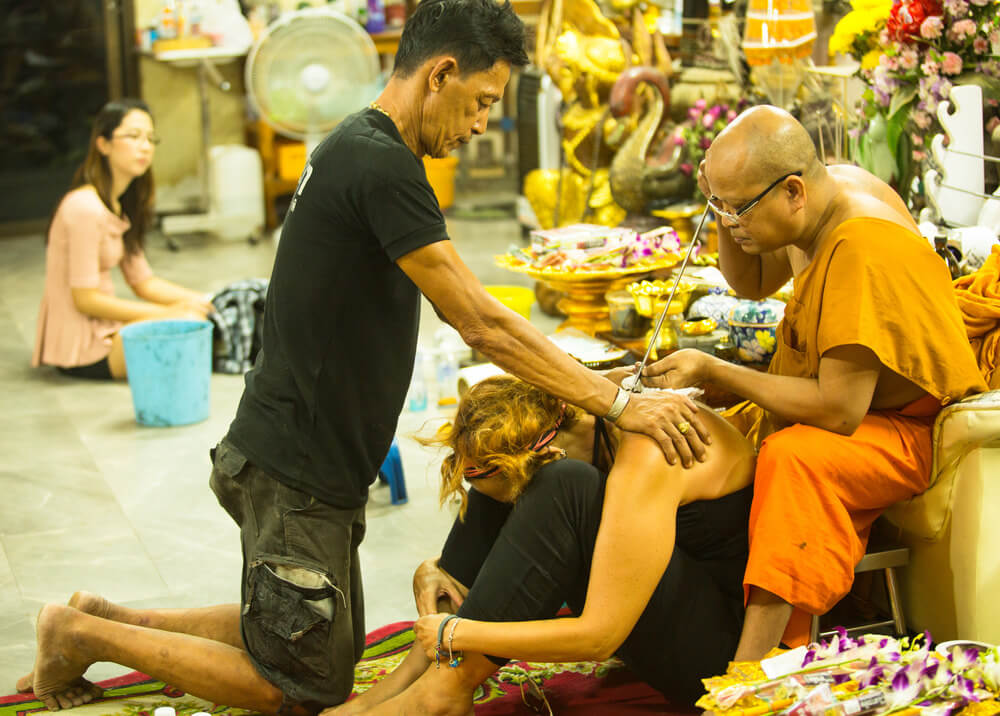
In the far east, the old tattoo techniques were deserted over time, and more modern ones were developed in their place. In the nineteenth century, Far East tattoos were made by pricking the skin with needles and then rubbing a blend of smoke and milk into the site of the prick. It was a slow, hands on method, a long way from the equipment used today. This was generally carried out on young ladies, and it was performed by the older, more established ladies of the society, with the skill passed down between them. In modern society this is no longer the case. The old methods have given way to far more capable techniques, and talented people can now create a huge range of tattoo designs and images with a level of detail the old ways could never reach.
Modern Tattoo in New Zealand
In New Zealand, tattooing became more popular within Maori culture as a result of European guests arriving. These Maori tattoos were deeply ceremonial in nature, carrying real meaning rather than being worn casually, and they held an important place in the culture. The shades used in them were first made from traditional substances drawn from the natural world. This stayed the case until the arrival of the Europeans, who brought the tattooing methods of the modern day with them. They introduced the use of black powder to create the colours, and in doing so they slowly reduced the reliance on the natural substances of the old ways.
The Modern Spread Or Processes Of Tattooing
The failure of the Christian preachers in their campaign against tattooing helped to free up the growth of tattooing in present day society. Despite the huge efforts they made to turn communities away from tattooing, and despite branding it an unholy practice, those same conditions ended up shaping how tattoos spread from one society to the next. The disapproval did not stop it. Instead, people within societies grew more and more familiar with tattoos as time went on, and as more people wore them, the practice only grew, settling into everyday life rather than dying out as the preachers had hoped.
Tattooing Today
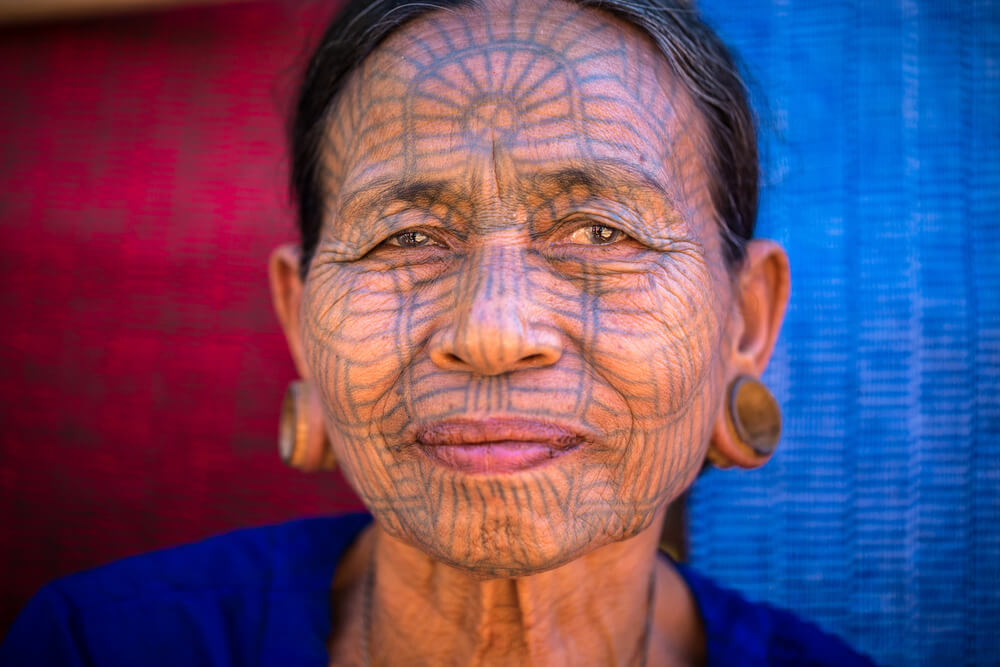
Most mariners and explorers frequently had tattoos done on their business trips around the world, and they would come back home carrying tattoos of their own. Picking up a tattoo abroad became almost part of the journey for many of them. This also prompted the popularity of tattoos among pirates, sailors and troopers, the very people who spent their lives travelling and at sea. Between them they brought about widespread acceptance of modern day tattooing, carrying the practice back with them wherever they landed. By the twentieth century, many individuals all throughout the West had started getting tattoos of their own, and what had once been tied to seafarers began to take hold in everyday society.
The 1940s are remembered as the golden age of tattooing in Western society, a high point for the craft and its popularity. There is no doubt that tattooing is like any other practice that evolves over time. Tattoos have created deep social orders over the years, and they have developed right alongside the people who wear them. The techniques and methods of tattooing have moved on steadily, and as society has progressed, so too has the awareness of tattooing grown with it. The modern wave of tattooing should come as no surprise to anyone, because the modern spread of tattoos sits hand in hand with the advancement of human society itself. As people have moved forward, so has the art.
Modern Day Techniques On Tattooing
The following are some of the processes and standards that sit behind modern day tattooing:
- The use of finely made needles
- Special inks
- Safe and secure practice
- A healthy, clean environment
- Awareness of disease
- Infection control
- The ability to remove tattoos at your convenience
- Social perception
The Of Use Finely-made Needles
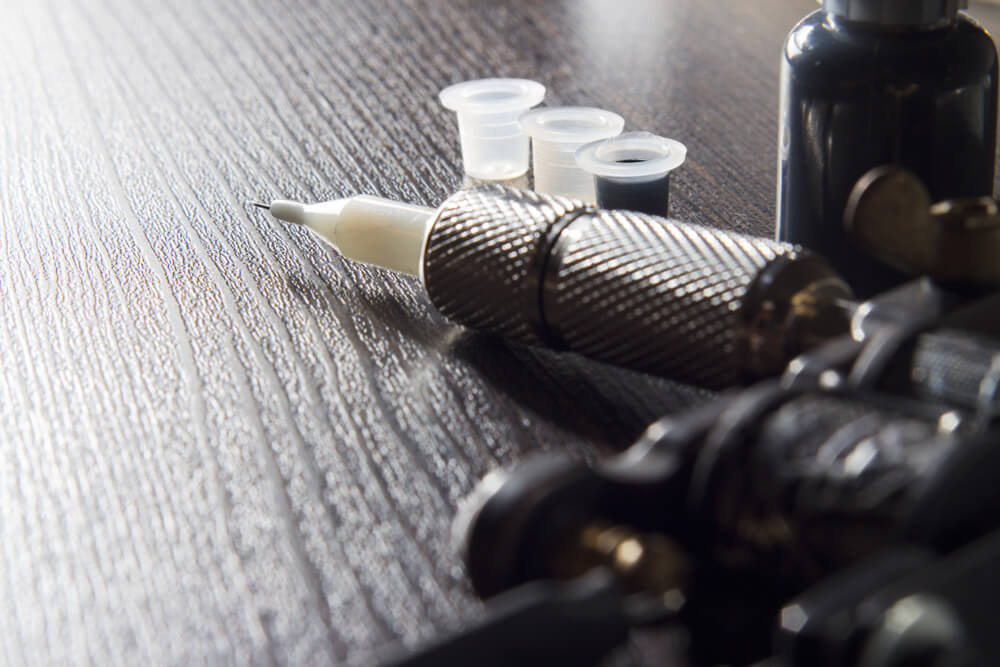
People of old once used wooden and bronze instruments to make tattoos, working with whatever tools they had to hand. But due to the massive development and spread of tattooing, the industry now uses finely made needles instead. This shift in tooling is what brings about modern styles and the wide range of different colours we see today. The use of specialised needles is very predominant in the process of modern day tattooing, and it is one of the biggest reasons the craft has been able to reach the level of detail and quality it has.
Special Inks
The modern tattooist now uses specific, purpose made inks rather than the rough substances relied on in the past. Our cutting edge tattoo inks are designed to last longer and to be less painful to work with as well, which makes a real difference both to the artist and to the person receiving the tattoo. We care about our inks at Cremation Ink ® as much as we care about you, and that care goes into every bottle we prepare.
Security Practice
Safety techniques have improved a great deal alongside everything else. There are now various kinds of sanitising tools used during the process, and the inking is carried out in a well controlled, careful manner from start to finish. This focus on doing things safely and cleanly is one of the clearest differences between modern tattooing and the methods that came before it.
Healthy Environment
Good environmental conditions are put in place before any tattooing begins, because modern day tattooing practitioners understand the health benefits of using a clean environment for this kind of work. A tidy, controlled space lowers risk and protects the person being tattooed, so setting the environment up properly is treated as part of the job rather than an afterthought.
Awareness of Disease
Modern tattooing is fully aware of the dangers of piercing the skin with un-sterilised objects, which is something the old patterns of tattooing did not account for. This awareness is exactly why proper care is taken at every stage, and why we make use of inks that are considered safe to infuse into human skin, created by Cremation Ink ®. Knowing the risks and working to remove them is what keeps the modern process safe.
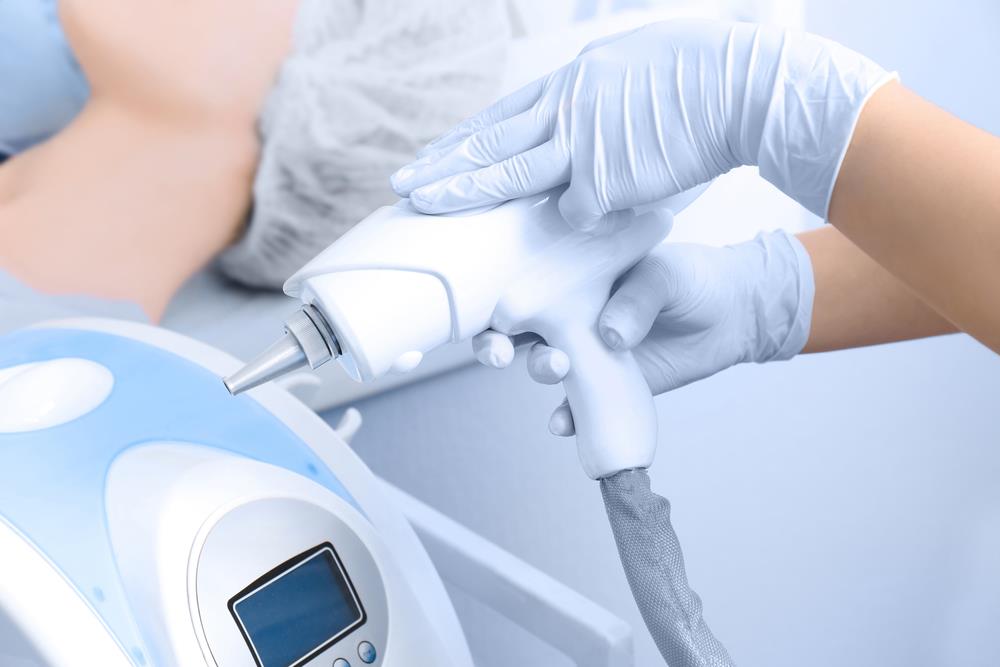
Ability To Remove Tattoos At A Convenient Time
In recent times it has become very possible to remove tattoos that you no longer like, or to replace them with another design without any real hassle. This was clearly not the case back in Egyptian times, when a mark on the skin was there for good. If you do not like the design on your body, modern day tattoo laser removal services have made it possible to remove it and replace it, using lasers such as the Pico-sure and the ND-Yag. This freedom to change your mind is one of the biggest shifts of the modern era, giving people far more control over what they carry on their skin than any earlier generation ever had.
Social Perception
Social attitudes towards tattoos have changed dramatically over the years. Many individuals get tattoos for a whole range of different purposes, each with their own reason behind the ink they wear. With the rise of Christianity, numerous societies began to disapprove of tattoos and viewed them as unholy and offensive acts, something to be avoided. Today, things have come full circle, and no one is viewed any differently for sporting tattoos. Even Christian preachers no longer focus their message on the old perceived wrongs of the past, choosing instead to focus their attention on inward salvation. People’s perception of tattooing has well and truly changed, and the disapproval that once surrounded it has largely faded away.
What Still Remains
There is no longer any stigma attached to a tattoo. Everyday people now wear them openly and on view, from doctors and nuclear scientists right through to the refuse collector, with no judgement attached. Due to their popularity, people are attaching even more significance to their ink than before. Taking up the services of Cremation Ink ®, and having a loved one’s ashes infused into the tattooing ink to keep them close forever, is a great example of the way tattooing culture keeps moving forward in its creativity. It shows that the practice is still growing, still finding new meaning, and still giving people fresh ways to carry what matters most to them.
On A Final Note
There is no doubt that modern days society has advanced the development of Tattooing in various ways, as listed and explained above. But it should be noted that present days Tattooing cannot be studied or understood in isolation of the real origin of Tattooing.
Both traditional origins and modern day’s techniques of tattooing tend to complement each other. That is, modern days tattooing processes is an improvement upon the old.

Modern Day tattooing Q & A’s
How is a tattoo done these days? A trained artist uses a needle to place ink just beneath the surface of the skin, working in a clean studio under careful, controlled conditions. Every stage follows proper hygiene standards, which is what separates the craft today from the rough hand methods of centuries ago.
Why have tattoo needles changed so much? Early tattooists had little more than wooden and bronze tools to work with. As the craft grew, fine precision needles took over, and that single change opened the door to sharper detail, smoother shading and the broad colour range artists rely on now.
Are the inks different from the old days? Very much so. Gone are the rough natural mixtures of the past, replaced by purpose built inks made to sit well in the skin, hold their colour and cause less discomfort. At Cremation Ink ® the quality of every batch matters to us, because it ends up carried by someone for life.
How do studios keep tattooing safe? Cleanliness sits at the heart of it. Tools are sanitised, the work area is kept spotless, and artists understand the harm that comes from unsterile equipment piercing the skin. Infection control and a healthy environment are simply part of how a responsible studio operates.
If I regret a tattoo, can it be undone? It can. Laser treatments such as the Pico-sure and ND-Yag now let people fade or fully remove a design, and even replace it with something new. That kind of second chance was unthinkable in the days of the Egyptians.
Which era is seen as tattooing’s high point in the West? The 1940s tend to get the credit as the golden age. By then the practice had already travelled inland from the docks, carried home by sailors, explorers and servicemen, and ordinary people across the West were wearing ink of their own.
Do people still judge others for having tattoos? Hardly at all now. What was once branded unholy is worn openly by all sorts, from surgeons and scientists through to the person collecting your bins. The old stigma has more or less disappeared from everyday life.
Where does Cremation Ink fit into modern tattooing? We take a small amount of a loved one’s ashes and blend it into safe, professional ink, ready for a local artist to use. It lets someone carry a person, or a pet, with them for good, and it shows how tattooing keeps finding fresh meaning as it moves forward.
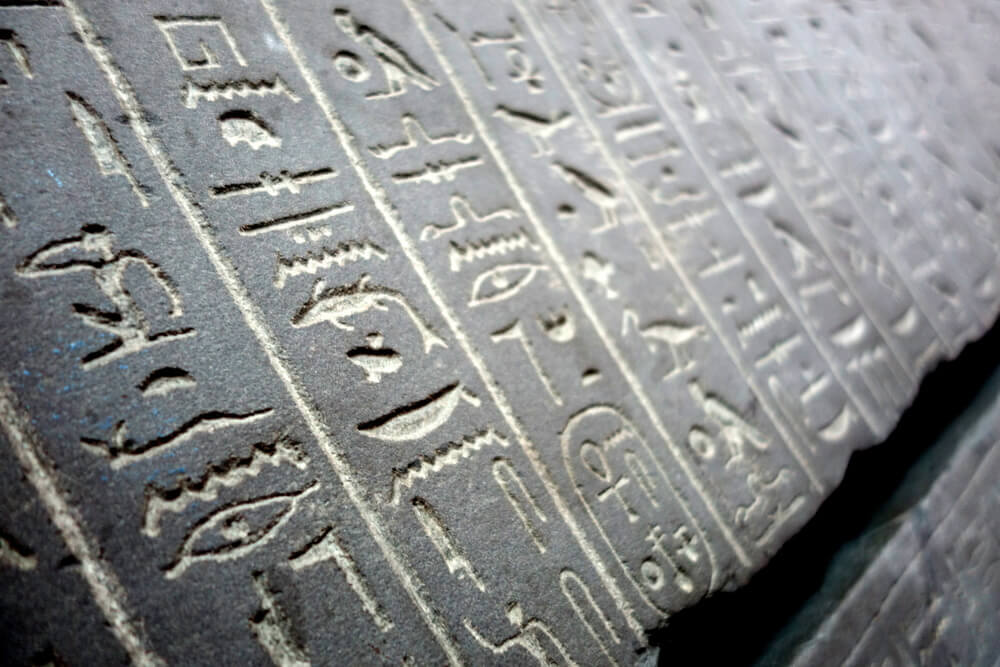
The origins Of Tattooing Explained
The Cremation Process Explained

What Happens on The Day Of A Cremation?